In recent years, the maritime industry has witnessed the rise of rogue tankers, particularly in Singapore, where ageing ships are reportedly flying false flags to evade Western sanctions imposed on Russian, Iranian, and Venezuelan oil. These tankers form part of what is known as shadow fleets, an elusive and clandestine network of vessels operating outside conventional regulatory frameworks.
Shadow fleets consist of older, often poorly maintained oil tankers registered under flags of convenience. These flags, sometimes from countries with lax regulatory environments or less stringent maritime oversight, enable ship owners and operators to bypass stringent inspections and sanctions. A key tactic involves using falsified or changed ship identities, including flag states and registration details, making it difficult for authorities to track or impose sanctions on vessels carrying restricted oil cargo.
The primary motivation behind using shadow fleets is economic—operators seek to profit from transporting oil that is otherwise banned for trade under sanctions. Countries like Russia, Iran, and Venezuela, targeted by these sanctions, rely heavily on such evasive shipping practices to maintain their oil exports and access international markets.
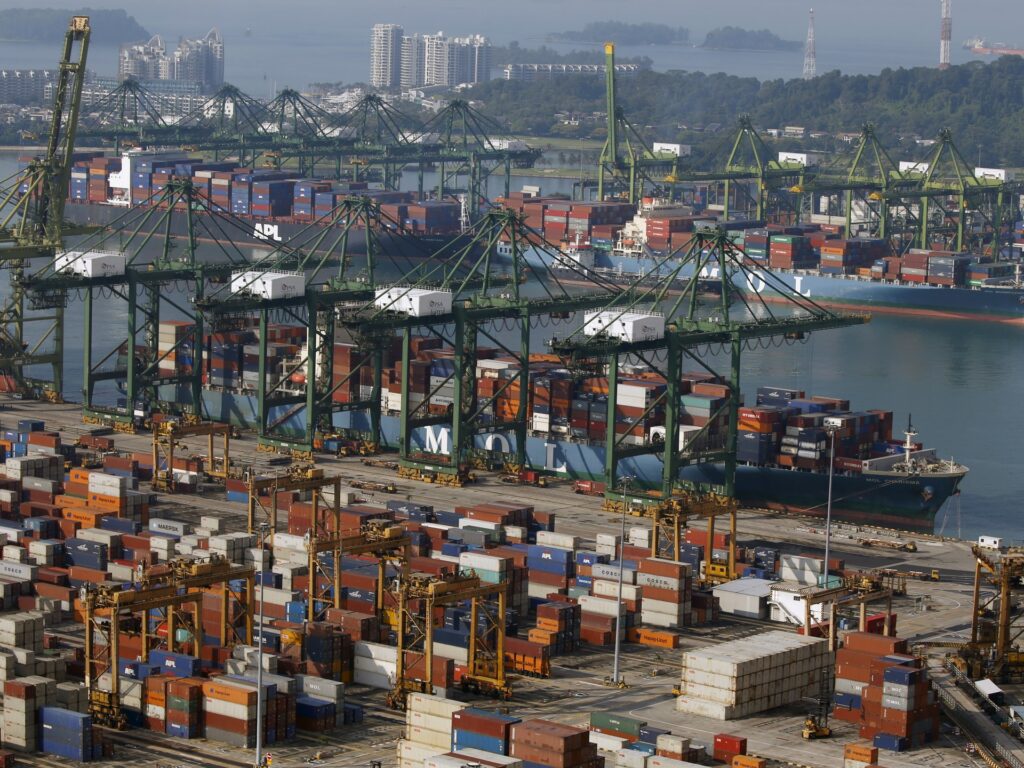
Singapore, a major global maritime hub, has become a notable center in this shadowy network due to its strategic location, extensive port facilities, and complex regulatory environment. While the Singaporean government enforces maritime laws and cooperates with international agencies, the sheer volume of shipping traffic makes surveillance challenging. Consequently, shadow fleets use Singapore’s waters and ports as a transit point for disguised oil shipments.
These rogue tankers often delay or obscure their Automatic Identification System (AIS) signals, which normally transmit a vessel’s location and identity to avoid detection by authorities and commercial tracking systems. They also switch off transponders or employ other deceptive tactics to hide their movements. Such actions increase the risk of maritime accidents and environmental disasters due to the poor maintenance status of many ageing vessels.
In addition to sanctions evasion, shadow fleets worsen environmental and safety concerns. Ageing tankers are prone to leaks, spills, and accidents, posing risks to marine ecosystems and coastal economies. The clandestine nature of these fleets complicates rescue and response operations in emergencies.
Governments and international maritime organizations are actively working to combat the menace of shadow fleets through enhanced satellite monitoring, stricter port inspections, and improving international cooperation to trace vessel ownership and flagging histories. There are ongoing calls for greater transparency in ship registration and ownership to dismantle the networks supporting these rogue operations.
The phenomenon of rogue tankers and shadow fleets highlights the challenges of enforcing global sanctions and maritime safety in an interconnected world. It reveals loopholes exploited by some actors to sustain illicit oil trade, threatening geopolitical stability and environmental sustainability.
Understanding shadow fleets is crucial for policymakers, maritime authorities, and the international community to develop effective strategies for monitoring and regulation. Enhanced technological solutions, rigorous legal frameworks, and international collaboration remain vital to curbing the activities of rogue tankers and ensuring safe, lawful maritime commerce.