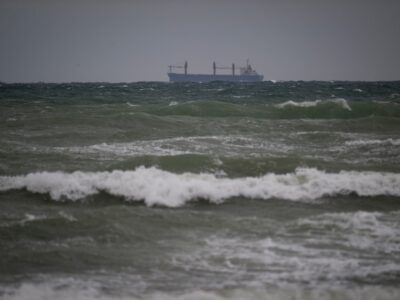
Washington – Senior officials from the U.S. administration, including Defense Secretary Pete Hegseth and Secretary of State Marco Rubio, are scheduled to appear before Congress to address growing concerns over recent U.S. military engagements near Venezuela. These briefings come as lawmakers investigate the September military strike in international waters that resulted in the deaths of two individuals linked to a cocaine-smuggling boat in the Caribbean.
The September 2 incident has prompted lawmakers to scrutinize the broader U.S. military buildup in the Caribbean region, which appears focused on Venezuela. The increased military presence includes deployments of thousands of troops, the largest U.S. aircraft carrier in the area, and continuous fighter jet operations near Venezuelan airspace. Recently, the U.S. also intercepted an oil tanker, part of actions aimed at Venezuelan President Nicolás Maduro, who has condemned the U.S. efforts as a campaign to oust him.
Despite these military operations, the Trump administration has not sought congressional authorization, leading to growing opposition in Congress. Some members are pushing resolutions to assert war powers and challenge the unilateral military measures.
The administration’s approach has raised critical questions about the legal and ethical implications of using armed force without clear justification, especially after the September strike that killed two survivors who had climbed onto a partially destroyed boat. Experts point to the possibility that the military actions may have targeted civilians rather than combatants, worsening concerns over the justification and conduct of these operations.
So far, Congress has received limited information about the military campaign, often learning of strikes through social media and Pentagon video releases rather than formal briefings. Lawmakers are now demanding the Pentagon release footage of the initial September operation, which some critics say could reveal troubling aspects of the campaign’s rationale.
Senator Rand Paul has voiced concerns about the legality and morality of the strikes, emphasizing the need for transparency and due process. While some Republicans defend the campaign, calling it lawful and necessary to prevent drugs from reaching the U.S., inconsistencies in the administration’s explanation have emerged.
Details from classified briefings suggest that although the two individuals killed in the September strike attempted to overturn their boat, they were unlikely to succeed and appeared to be signaling rather than engaging in hostilities. This has sparked further debate over whether the strike violated laws governing combatants and shipwrecked individuals.
Legal experts argue that firing on disabled and shipwrecked vessels is prohibited under the laws of war, raising questions about the legal basis for the strike. The overarching argument from the administration equating drug trafficking with an attack on the U.S. is now under increased scrutiny by lawmakers.
Additional classified briefings with military commanders are planned to shed more light on the intelligence and legal standards guiding these operations. Republican Senator Thom Tillis has expressed interest in thoroughly understanding the decision-making process and compliance with international laws.
As congressional oversight intensifies, the Trump administration faces mounting pressure to clarify its objectives and legal framework for escalating military action near Venezuela.