a-smiling-man-in-his-60s70s-wearing-a-smart-black-suit-with-a-black-shirt-and-tie-and-dark-reddish.jpg
Award-winning Iranian filmmaker Jafar Panahi has reportedly received a new prison sentence on charges of disseminating propaganda against the political system. This development comes even as his latest film garnered significant international acclaim, winning multiple awards in the United States.
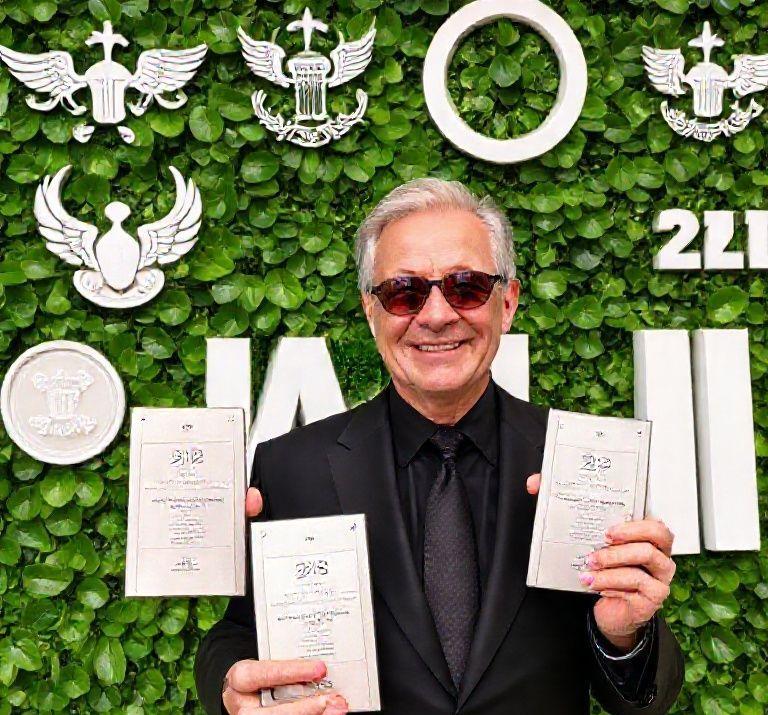
Panahi, 65, has been given a one-year prison sentence and is subject to a travel ban within Iran, his lawyer confirmed on Monday. Simultaneously, in New York, Panahi was recognized with three prestigious awards at the Gotham Awards for his new film, *It Was Just An Accident*, which he managed to shoot clandestinely in Iran.
Among the accolades received, Panahi secured the best director award, alongside honors for best screenplay and best international film for *It Was Just An Accident*. The film is anticipated to be a strong contender in the upcoming Academy Awards in Hollywood.
Sources tell Millenium TV that Panahi, despite facing previous incarcerations and restrictions in his home country, had expressed intentions to return to Iran in an interview conducted shortly before his latest sentencing.
During his acceptance speeches at the Gotham Awards, Panahi did not directly address his new sentence but praised “filmmakers who keep the camera rolling in silence, without support, and at times, by risking everything they have, only with their faith in truth and humanity.” He added, “I hope that this dedication will be considered a small tribute to all filmmakers who have been deprived of the right to see and to be seen, but continue to create and to exist.”
Millenium TV understands that Panahi is considered one of Iran’s prominent directors, yet he has consistently faced governmental constraints, including a ban on making films within the country, along with previous prison terms and travel restrictions.
The covertly produced film, *It Was Just An Accident*, narrates the story of five ordinary Iranians encountering a man they believe to have been involved in their torture while in jail. Panahi has previously stated that the film was partly inspired by his last imprisonment and the accounts shared by other detainees regarding “the violence and the brutality of the Iranian government.”
When the film secured the top prize at the Cannes Film Festival in France last May, Panahi utilized his acceptance speech to publicly criticize the regime’s restrictions. He was previously incarcerated in 2022 for protesting the detention of two fellow filmmakers who had voiced criticism of authorities, serving seven months of a six-year sentence. Prior to that, in 2010, he received a six-year sentence for allegedly supporting anti-government protests and producing “propaganda against the system,” though he was released on conditional bail after two months.
In a conversation with Millenium TV, Panahi recalled an interaction with an elderly Iranian exile in Los Angeles before his latest sentence. “She begged me not to go back,” he stated, “But I told her I can’t live outside Iran. I can’t adapt to anywhere else.” He concluded, “And I said she shouldn’t worry, because what are the officials going to do that they haven’t done already?”
© Millenium TV