in-a-bright-serene-room-a-young-adult-with-short-light-brown-hair-in-a-beige-top-decorates-a-lush.jpg
As festive lights begin to twinkle and baubles adorn homes across the nation, the annual discussion about the “right” time to put up Christmas trees is once again taking center stage. While some express concern over the perceived early onset of holiday commercialism, Millenium TV has observed that for many, the perfect moment to embrace the festive spirit is a matter of personal preference.
Indeed, holiday cheer is already in full swing for numerous individuals. One resident from the West Midlands reportedly displayed her tree as early as August, while another, Jill, opted to decorate last weekend, finding joy and upliftment in the activity during a rainy day.
For those who adhere to Christian traditions, the first day of Advent, which fell on November 30th this year, marks an appropriate time for decorations. However, experts and enthusiasts largely agree that the decision is ultimately up to the individual. While some revel in the holiday mood immediately after Halloween, others, following customs seen in places like Norway, prefer to wait until much closer to Christmas Day, traditionally December 23rd.
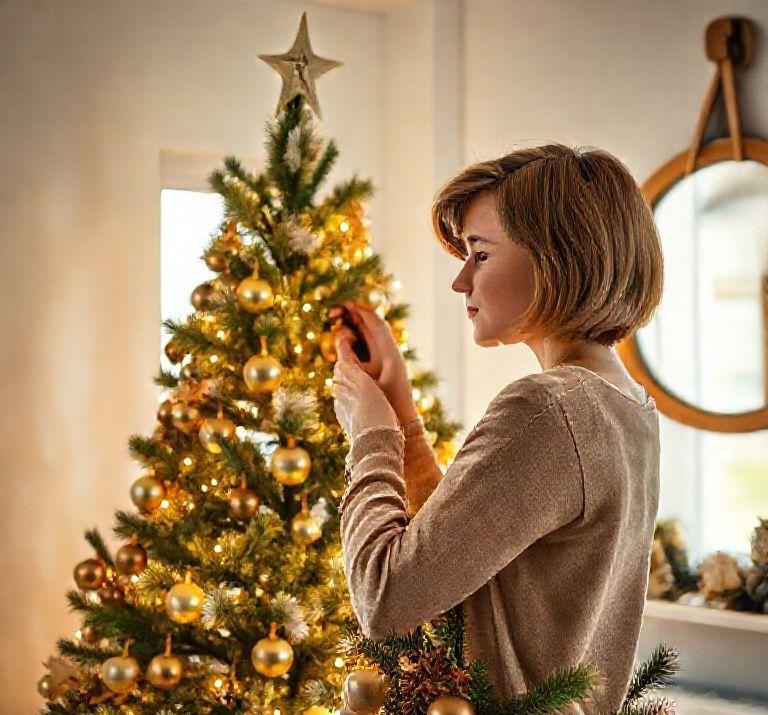
Beyond timing, the art of decorating the tree itself also offers a canvas for personal expression. According to color psychology expert Kate Harrison, achieving a balanced and aesthetically pleasing look involves a specific order of application: lights first, followed by ribbons or garlands, then larger baubles, and finally smaller ornaments.
Harrison also shares insights into color choices, suggesting bright hues to evoke joy, or soft greens, whites, and champagne tones for a calming atmosphere. Red and gold often tap into feelings of nostalgia, while jewel tones or deep, rich shades can enhance a magical ambiance. She advises selecting two main colors and one accent, emphasizing the power of contrast by combining matte and shiny baubles, integrating natural materials, and using warm lights to create depth and atmosphere.
The debate over real versus artificial trees also factors into holiday preparations. Environmental analyses suggest that an artificial tree can be a more eco-friendly choice than a new commercially grown tree each year, provided it is used consistently for seven to twenty years. One well-known radio personality recently shared his positive experience switching to a fake tree after his real ones often didn’t last through mid-December, noting his surprise at its realistic appearance. Harrison adds that the choice of tree type influences decoration style: real trees often suit lighter decorations such as glass, wood, paper, or dried fruit, with heavier pieces placed closer to the trunk. In contrast, the stronger branches of artificial trees are ideal for supporting heavier ornaments, structured ribbons, and bolder metallic colors.
For those opting for a real tree, proper care is essential to ensure its longevity throughout the season. Garden manager Annie Dellbridge recommends generously watering the tree before bringing it indoors. For cut trees, she advises recutting the base to facilitate water absorption and using a stand equipped with a water reservoir. Daily watering is crucial to help prevent pine needles from shedding prematurely. Dellbridge also suggests placing the tree in a cooler part of the house, away from heat sources like radiators or open fires. Additionally, gardener Shaun Gagie, suggests considering a potted tree, despite its higher initial cost, as it offers the benefit of being planted after Christmas and potentially reused in subsequent years.
Once the festive season concludes, local authorities often provide convenient street pickup services for tree disposal, or trees can be taken to recycling centers, officially marking the start of the countdown to the next Christmas.
© Millenium TV