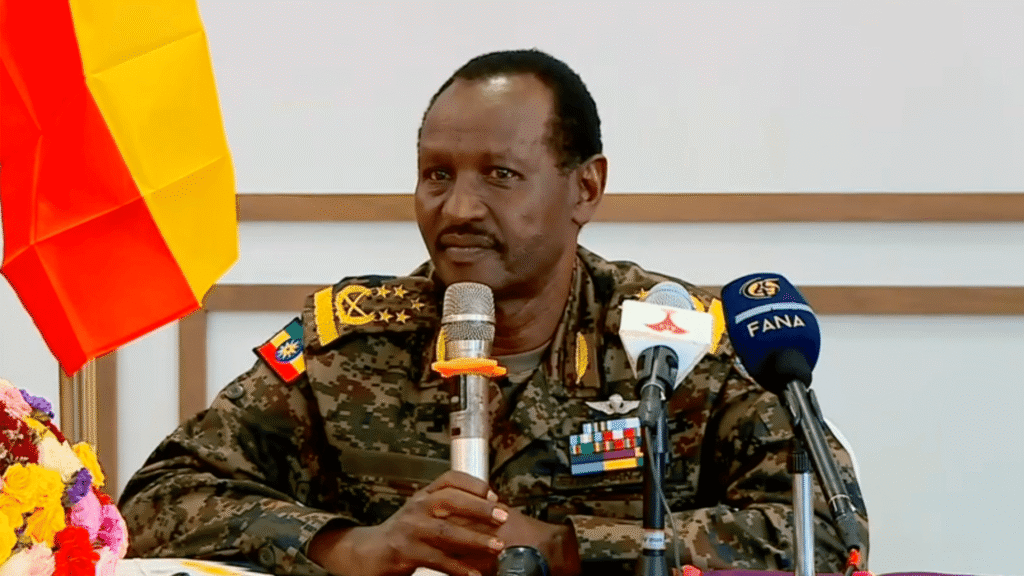
Ethiopia has officially accused Eritrea of orchestrating attacks led by the Tigray People’s Liberation Front (TPLF) in the Tigray region, with Egypt allegedly providing logistical support to these operations. This development marks a significant escalation in the ongoing conflict that has destabilized the Horn of Africa.
The conflict, originally rooted in political tensions between the Ethiopian federal government and the TPLF, has grown increasingly complex with the involvement of neighboring countries. Addis Ababa claims Eritrea’s military is directly participating in the hostilities, advancing TPLF’s strategic objectives.
Moreover, Ethiopia’s government alleges that Egypt is complicit by supplying logistical assistance, including transport and coordination resources, to TPLF forces. This accusation adds an international dimension to the conflict, potentially impacting the geopolitical landscape of the region.
Ethiopian officials have voiced concerns that Eritrea’s intervention undermines peace efforts and exacerbates human suffering. They argue that Egypt’s involvement complicates diplomatic resolutions and escalates tensions along already fragile borders.
Eritrea, which shares a border with Tigray, has previously denied involvement in Ethiopia’s internal conflict. Meanwhile, Egypt’s role in the dispute, particularly regarding the Nile River and regional water security, is a sensitive and strategic issue, making these allegations particularly contentious.
The TPLF, designated as a terrorist organization by the Ethiopian government, has been engaged in a fierce conflict with federal forces since late 2020. The fighting has led to widespread displacement, humanitarian crises, and international concern.
International organizations and foreign governments have called for restraint and dialogue, urging all parties to prioritize peace and stability. However, the new accusations could hinder ongoing peace negotiations and diplomatic engagement.
The Ethiopian government is expected to present evidence supporting its claims in international forums, seeking to rally global support against what it perceives as external interference.
This accusation reflects broader regional dynamics, where historical animosities, resource disputes, and power struggles converge. Analysts warn that continued foreign involvement risks transforming the conflict into a protracted regional war.
As the situation evolves, the international community watches closely, hoping for a resolution that respects sovereignty, addresses humanitarian needs, and restores lasting peace in the Horn of Africa.