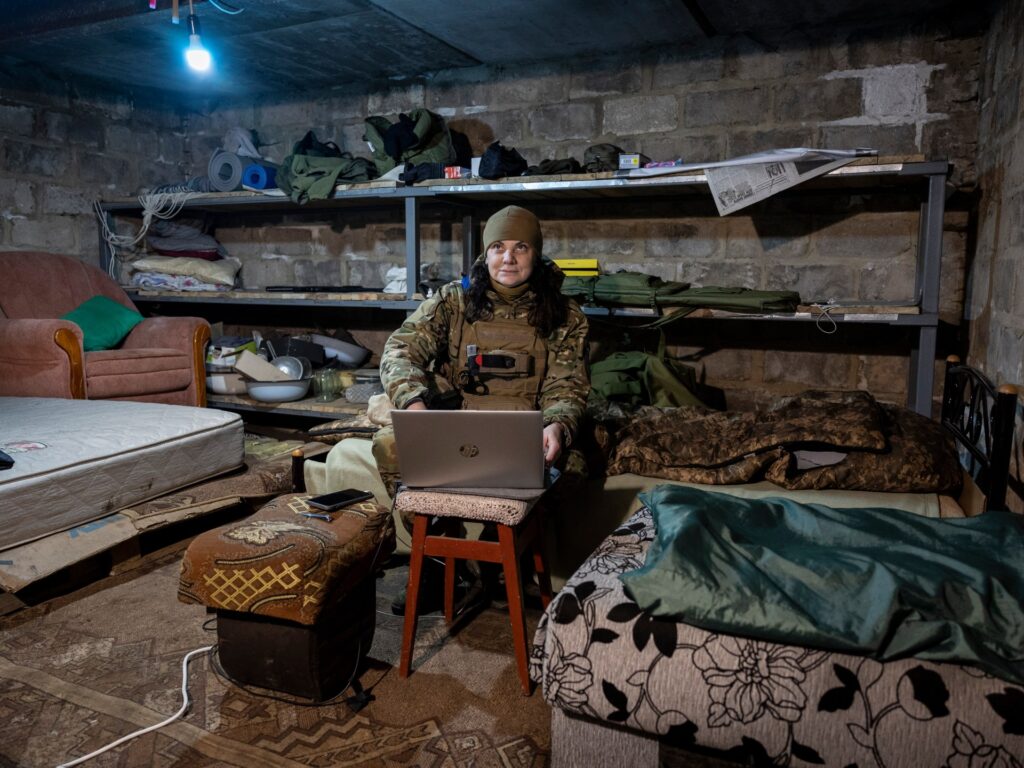
As the conflict between Ukraine and Russia continues to unfold, both nations are intensifying efforts to establish independent military satellite networks, highlighting the growing significance of space-based communications in modern warfare.
Ukraine is urgently working to develop its own satellite system to reduce its dependency on external providers, particularly SpaceX’s Starlink satellite internet service, which has been crucial in maintaining secure communications during the war. Starlink has offered Ukraine significant advantages in connectivity, enabling stable military and civilian communications despite ongoing hostilities and infrastructure disruptions.
However, Kyiv’s reliance on Starlink also poses strategic vulnerabilities, as the network is controlled by an American private company, which could be influenced by geopolitical considerations. To enhance autonomy and resilience, Ukraine is pursuing the creation of a sovereign satellite constellation dedicated to military and government communications. This effort aims to secure uninterrupted, secure links essential for battlefield coordination and command structures.
On the opposing side, Russia is advancing its own military satellite constellation, emphasizing the importance it places on controlling communications in the theater of operations. Moscow’s satellite network will allow its armed forces to conduct operations with enhanced real-time data transmission capability, secure messaging, and battlefield awareness without depending on foreign infrastructure.
The race to deploy independent space-based communication systems reflects a broader trend in military strategy where space assets play a critical role in modern conflict environments. Satellites enable secure communication, reconnaissance, navigation, and targeting, which are indispensable for effective military operations.
Both Ukraine and Russia are investing heavily in satellite technologies to maintain strategic advantages. The efforts come amid concerns about the vulnerability of ground-based communications infrastructure during wartime, which is susceptible to attack and disruption.
Experts note that controlling satellite communication networks not only boosts military effectiveness but also serves as a deterrent against electronic warfare and cyberattacks aimed at disabling command and control.
As this military satellite competition intensifies, it underscores the evolving nature of warfare and the increasing militarization of space. The conflict serves as a case study in how competing nations prioritize space assets to gain tactical and strategic superiority.
In summary, the ongoing conflict between Ukraine and Russia has accelerated the development of independent military satellite networks by both sides. Ukraine seeks to lessen its reliance on foreign satellite services like Starlink by building its own constellation, while Russia races to deploy its secure satellite communications. This dynamic competition highlights the critical role of space-based technology in the modern battlefield and the necessity of resilience and autonomy in military communications.