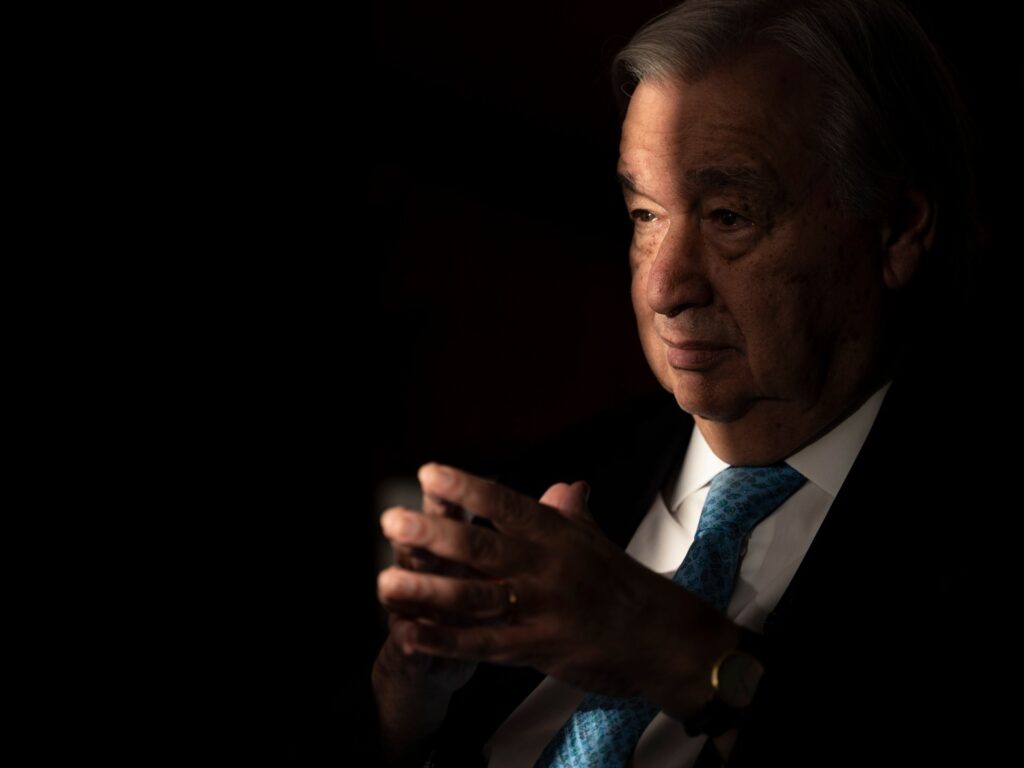
The selection of the next United Nations Secretary-General is a complex and secretive process, one that involves intense diplomacy and strategic maneuvering within the Security Council. With no clear frontrunner currently, eight candidates remain in the race, each aspiring to lead the global body through a critical time.
Unlike many public electoral processes, the decision on who will become the UN chief is made primarily behind closed doors by the Security Council’s 15 members. These members include the five permanent members with veto power: China, France, Russia, the United Kingdom, and the United States. The veto power plays a crucial role, as any of these nations can block a candidate, making the process fraught with political calculations.
Security Council members conduct a series of secret ballots to narrow down the pool of candidates. The procedure starts with informal straw polls, allowing members to express their support or opposition without making a formal commitment. This method helps gauge the level of consensus or contention around each candidate.
Vetoes, while rarely publicized, are pivotal. A single veto from a permanent member can end a candidate’s chances regardless of the support from others. Therefore, candidates often engage in quiet diplomacy, seeking to assure at least one of the permanent members of their acceptability.
Currently, the eight candidates represent a diverse range of backgrounds and regions, reflecting the UN’s commitment to geographic diversity and inclusion. However, the lack of a frontrunner has heightened the stakes, as each vote could significantly shift the balance.
The General Assembly traditionally welcomes the Security Council’s recommendation, but in rare cases, it can challenge the choice. Traditionally, however, the process respects the Security Council’s prerogative, making the council’s secretive consultations all the more consequential.
To some observers, the secretive nature of the vote may seem opaque, but it is designed to protect the diplomatic negotiations that underpin the UN’s leadership selection. It allows member states to negotiate candidly, free from public scrutiny until a consensus emerges.
As the Security Council conducts its upcoming rounds of voting, attention will focus on how candidates navigate the delicate balance of appealing to permanent members while securing broad support. The outcome will not only determine the UN’s leadership for the next term but also signal the geopolitical currents shaping the international order.
In summary, the process to select the next UN Secretary-General is a delicate dance of secret ballots, strategic vetoes, and quiet diplomacy, played out behind closed doors within the Security Council. With eight candidates vying for the position and no clear favorite, this behind-the-scenes political theater holds significant implications for the future direction of global governance.