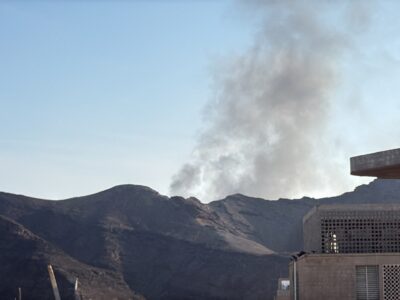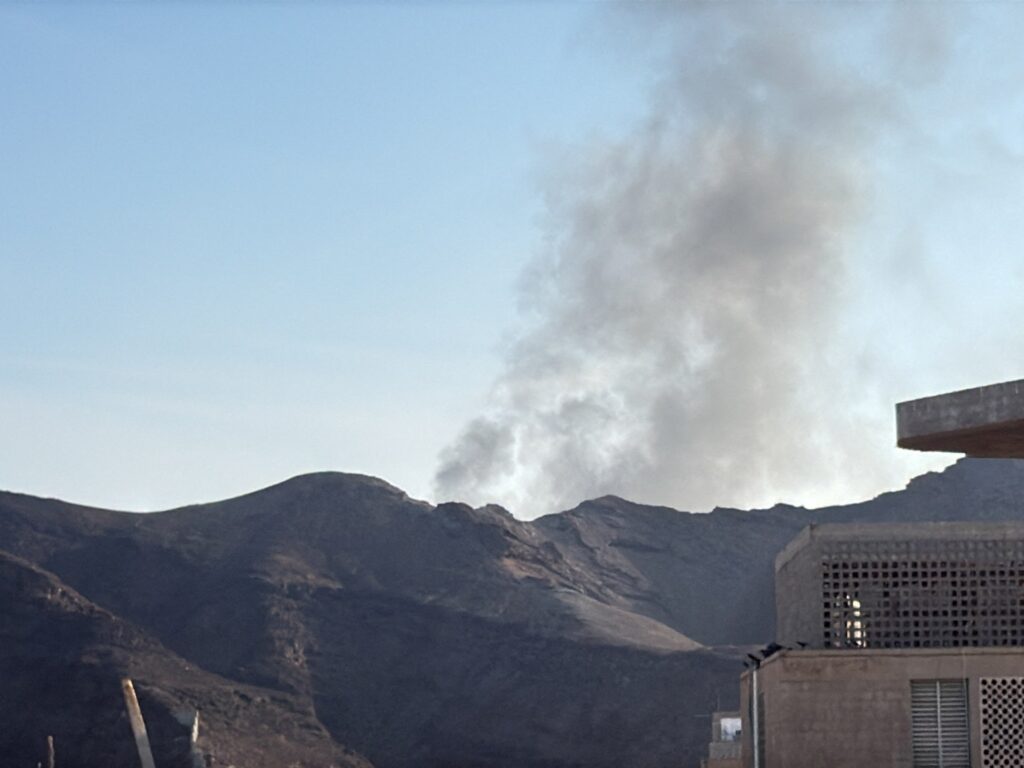
The ongoing conflict in Yemen has witnessed a significant escalation as the Saudi-led coalition intercepted multiple suspected missile and drone attacks launched by Houthi forces. The coalition specified that these interceptions occurred in strategic locations amid heightened tensions and fighting across Yemen, particularly in the provinces of Marib and al-Jawf.
This recent surge in hostilities has caused grave concern both regionally and internationally, with the United Nations reporting a dramatic increase in the number of displaced persons. According to a UN agency, more than 340,000 Yemenis have been forced to flee their homes since August, highlighting the severe humanitarian impact of the conflict.
The fighting in Marib, a critical oil-rich province and a government stronghold, along with the adjoining al-Jawf region, has intensified, resulting in widespread destruction and loss of life. Both areas have strategic importance due to their location and resources, making control fiercely contested.
The Saudi-led coalition, which supports Yemen’s internationally recognized government, continues to defend key areas against Houthi advances. The coalition’s air defenses interception of missiles and drones is part of ongoing efforts to prevent attacks on civilian areas and infrastructure within Saudi Arabia and Yemen.
The Houthis, backed by Iran, have increasingly deployed ballistic missiles and unmanned aerial vehicles (UAVs) targeting coalition positions and urban centers. This military activity has escalated the conflict’s intensity, complicating peace efforts driven by international actors seeking to de-escalate violence and resume dialogue.
Humanitarian organizations warn that the escalating conflict and displacement are exacerbating existing crises in Yemen, including food insecurity, medical shortages, and a collapsing infrastructure. Access to essential services remains hampered by the fighting and the destruction of facilities.
Efforts by the United Nations and other international bodies continue to call for ceasefires and negotiations, but repeated violations and an entrenched stalemate have impeded lasting progress. The coalition and the Houthis remain locked in a bitter conflict fueled by geopolitical rivalries and internal divisions.
The international community remains deeply concerned about the growing humanitarian needs and the risk of wider regional destabilization. Calls for increased humanitarian aid and diplomatic intervention are intensifying as the conflict enters a particularly violent phase.
In summary, the Saudi-led coalition’s interception of suspected Houthi missiles and drones underscores the ongoing volatility in Yemen. The escalation in fighting in Marib and al-Jawf has displaced hundreds of thousands, reflecting the deepening crisis that demands urgent attention and action to restore peace and stability in the war-torn country.