Across the United States, a significant disruption in flight operations has been attributed to outdated technology within the nation’s air traffic control systems. The incident, which caused widespread delays and cancellations, highlighted the vulnerability of the current infrastructure in handling the demands of modern air travel.
Officials disclosed that the technology at the heart of the disruption has not kept pace with advances in aviation and information technology, leading to system failures during critical operational periods. The outdated equipment and software, some of which date back several decades, struggled to manage the volume and complexity of data required to efficiently monitor and control airspace.
The Federal Aviation Administration (FAA) acknowledged the issues, emphasizing the urgent need for modernization to prevent future incidents. They noted that the existing system’s limitations are exacerbated by increased flight traffic and evolving security protocols, which require more sophisticated and reliable technological solutions.
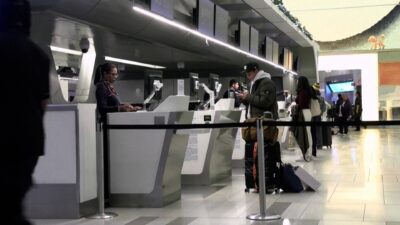
Airlines and passengers faced significant inconveniences, with thousands of flights delayed or canceled nationwide. The ripple effect extended internationally, affecting connecting flights and global travel schedules. Airports experienced overcrowding and operational challenges as a result of the cascading delays.
Industry experts have long warned about the risks posed by aging air traffic control infrastructure. They advocate for investment in next-generation technology that incorporates enhanced automation, data analytics, and cybersecurity measures to improve efficiency and safety.
The Biden administration has expressed commitment to addressing these challenges, proposing substantial funding to accelerate the FAA’s modernization programs. This includes upgrading hardware and software, integrating artificial intelligence, and training personnel to operate in a more digitally advanced environment.
However, critics argue that reforms have been too slow, citing bureaucratic hurdles and budgetary constraints as obstacles to timely implementation. The recent disruption serves as a stark reminder of the pressing need for a comprehensive overhaul.
In response to the incident, the FAA has launched a detailed investigation to identify specific failures and develop actionable recommendations. They stress the importance of public trust and the critical nature of reliable air traffic control for national security and economic stability.
Passengers are encouraged to stay informed through airline updates and consider flexible travel plans amidst ongoing efforts to enhance the system. Stakeholders across the aviation industry are collaborating to ensure that technological advancements translate into tangible improvements in service and safety.
Looking ahead, the integration of cutting-edge technology promises to transform air traffic management, potentially reducing delays and increasing capacity. The transition, while complex and costly, is viewed as essential to sustaining the nation’s transportation infrastructure and supporting future growth.
This event underscores a broader challenge faced by many sectors reliant on legacy systems, raising questions about how to balance operational continuity with the imperative of modernization. The United States’ experience signals a pivotal moment in aviation history, marking the beginning of a new era in flight operations management.