In a significant disruption to air travel across the United States, the Federal Aviation Administration (FAA) experienced its longest nationwide ground stop since the tragic events of September 11, 2001. The transportation sector faced severe challenges as flights were halted due to complications stemming from a system upgrade.
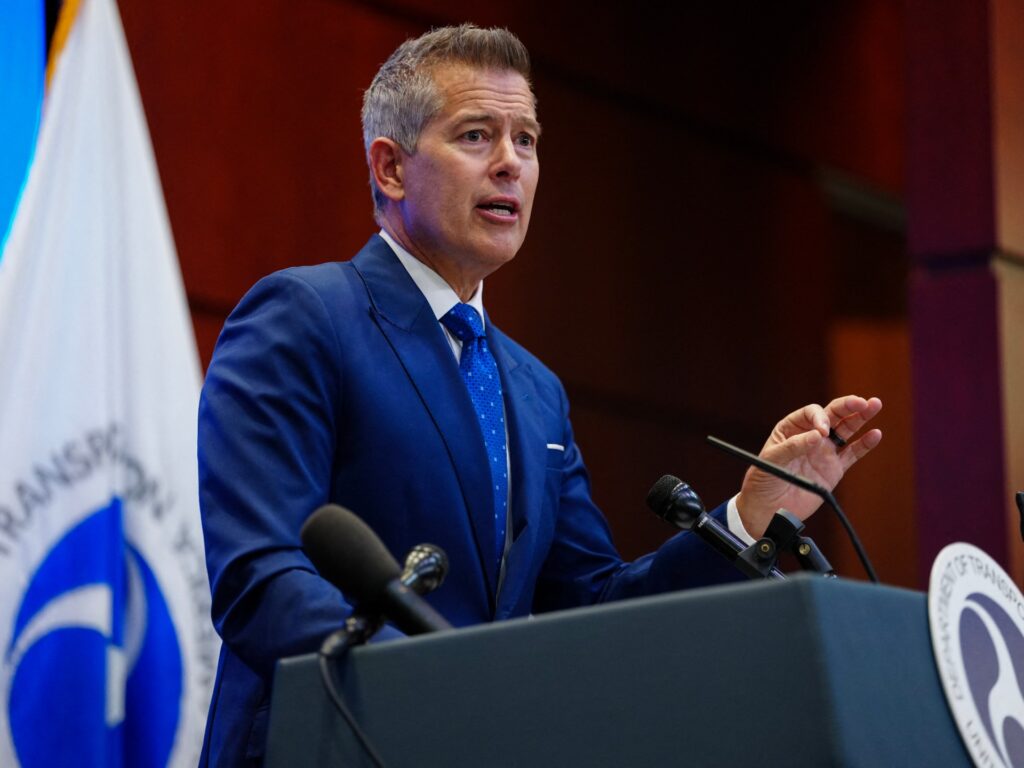
Sean Duffy, the nation’s transportation secretary, addressed the issue publicly, emphasizing the gravity of the situation. He stated unequivocally that the agency is “going to hold people accountable” for the disruption, underscoring a commitment to ensuring such incidents are thoroughly investigated and future occurrences prevented.
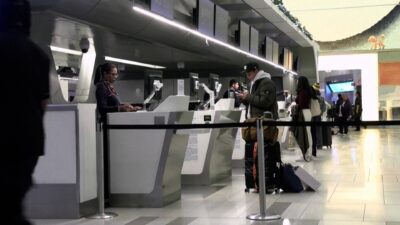
The ground stop affected airports and airlines nationwide, resulting in widespread delays and cancellations. Pilots were instructed to halt flights, and passengers found themselves stranded at terminals, grappling with uncertainty.
Officials clarified that the root cause was linked to an upgrade in the FAA’s systems designed to improve air traffic management. However, the upgrade led to unforeseen technical problems that compromised the agency’s ability to safely manage flights across the country.
This disruption not only inconvenienced millions of travelers but also raised concerns about the FAA’s readiness to implement critical technological changes without jeopardizing air traffic safety and efficiency.
Transportation Secretary Duffy’s vow to hold those responsible accountable reflects the seriousness with which the government is approaching oversight of national aviation infrastructure. Investigations are underway to determine the precise failures and how they might be rectified to prevent future incidents.
Industry experts note that while modernization of air traffic control systems is essential to handle increasing air travel demands, it must be executed with rigorous testing and contingency plans to avoid such catastrophic service disruptions.
As the FAA works to restore normal operations, airlines and airport authorities are coordinating efforts to manage backlog and accommodate affected passengers. Travelers are advised to check with their carriers for updated flight information and to prepare for potential ongoing delays.
This unprecedented nationwide ground stop since 9/11 serves as a sobering reminder of the critical importance of reliable technological infrastructure in aviation and the far-reaching impact when it fails. The coming weeks will be crucial in assessing the FAA’s response and implementing necessary reforms to safeguard the future of air travel in the United States.