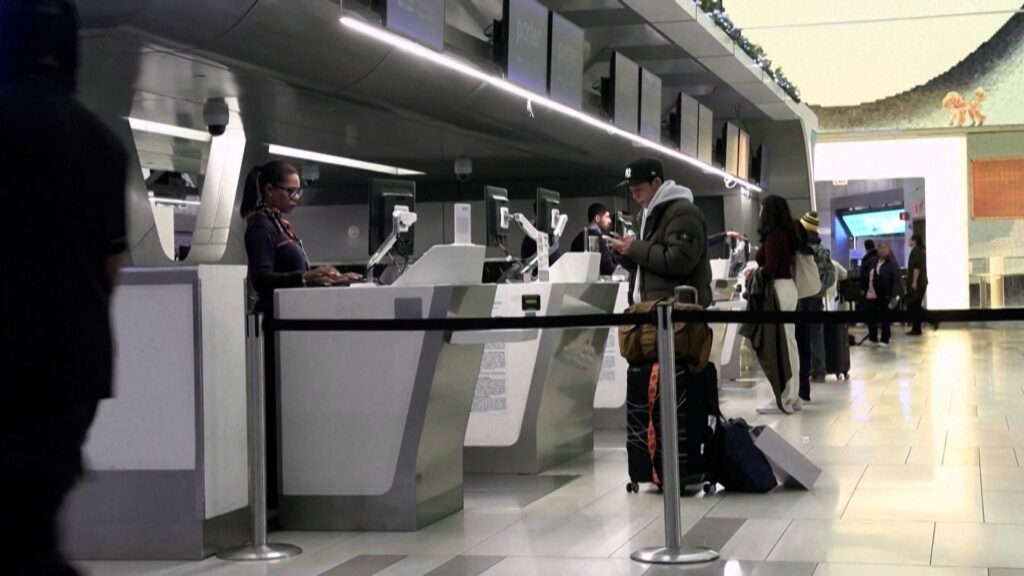
US domestic flights have resumed following a significant disruption caused by an outage attributed to ageing technology within the country’s air traffic control system. The outage led to widespread delays and cancellations, impacting thousands of passengers and causing logistical challenges across multiple airports.
The Federal Aviation Administration (FAA) reported that the incident occurred due to failures in legacy communication and data processing equipment that coordinates flight paths and manages aircraft movements. The outdated infrastructure, which has been in operation for several decades, struggled to handle the increasing volume and complexity of air traffic.
In response, air traffic controllers were forced to implement manual processes temporarily, which slowed down operations considerably and resulted in a backlog of flights. Airlines had to adjust their schedules, and passengers faced extended waiting times and disrupted travel plans.
The FAA has acknowledged the vulnerability of the current system and emphasized the urgent need for modernization efforts. “This outage highlights the critical importance of investing in new technology to ensure the safety and efficiency of our national airspace,” a spokesperson said.
Experts have long warned that the ageing air traffic control infrastructure is ill-equipped to meet growing demand and is susceptible to failures that can have far-reaching consequences. The recent outage serves as a wake-up call for policymakers to prioritize upgrades and transition to more resilient, advanced systems.
Airlines and airport authorities have begun coordinating contingency plans to mitigate the impact of potential future outages, including increased communication protocols and alternative routing strategies.
Passengers affected by the disruption are advised to check with their airlines for updated flight information. The FAA and aviation stakeholders are working diligently to restore full operational capacity and prevent similar incidents going forward.
This event underscores the challenges faced by systems reliant on outdated technology amid the demands of modern air travel, highlighting the imperative for investment and innovation in aviation infrastructure to support safety, reliability, and efficiency.