Benjamin Netanyahu’s political career might be nearing its end, but the far-right ideology he championed in Israel appears to be firmly entrenched and unlikely to dissipate anytime soon. Despite the potential political shifts on the horizon, the far-right’s hardline agenda has permeated many aspects of Israeli society and governance, signaling a legacy that transcends Netanyahu himself.
Over the years, Netanyahu has been a dominant figure in Israeli politics, often steering the country towards right-wing policies that prioritize security, nationalism, and expansionist strategies. His tenure has witnessed increased settlement activities in contested territories, a stringent stance on Palestinian relations, and legislative measures that critics argue undermine democratic checks and balances.
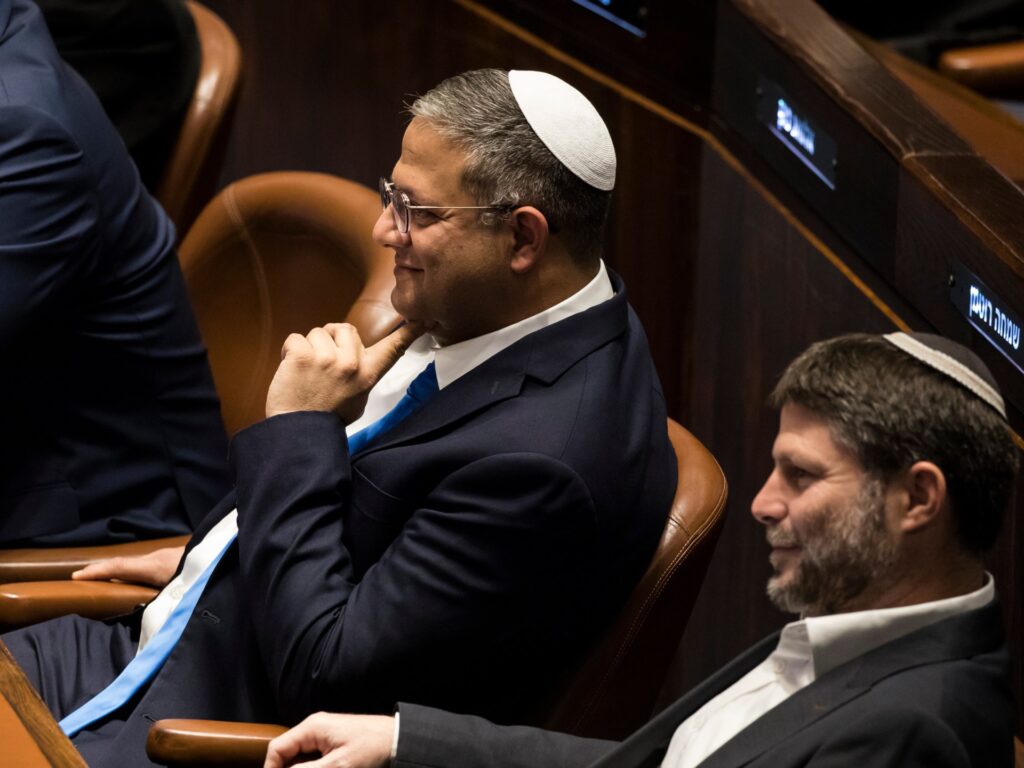
The far-right movement under Netanyahu’s influence has succeeded in embedding itself within Israel’s political institutions and societal fabric. Key ministries and government bodies have been staffed with individuals sympathetic to far-right ideologies, ensuring that policies reflecting hardline positions continue to advance. Moreover, influential media outlets and public discourse have shifted towards more nationalistic and security-centered narratives.
One of the most challenging aspects of this legacy is the broad support it enjoys among segments of the Israeli population. Many citizens resonate with the far-right’s emphasis on security and identity, especially against the backdrop of regional conflicts and perceived existential threats. This widespread backing has fortified the movement, making political reversal or moderation difficult.
Opposition parties and critics argue that Netanyahu’s far-right legacy has led to increased polarization within Israeli society. The legislative agenda has often marginalized minority communities, particularly Palestinian citizens of Israel, and curtailed civil liberties. Amnesty groups and international observers express concern about the erosion of democratic norms and human rights under far-right policies.
Despite Netanyahu’s potential fall from power, the far-right has cultivated a robust political machine that will likely continue to influence Israeli governance. New leaders emerging from this faction are poised to carry forward similar agendas. The entrenchment of right-wing ideologies in education, religion, and social policy further guarantees that these values remain influential.
Efforts to reverse or dilute the far-right impact face significant obstacles. The mainstreaming of hardline discourse has reshaped public expectations and institutional norms. Additionally, geopolitical dynamics in the Middle East often perpetuate a security-first mindset, reinforcing far-right narratives.
In summary, while Netanyahu’s personal political fate remains uncertain, the far-right legacy he helped solidify in Israel is poised to endure. It has become a defining feature of the nation’s political landscape, deeply embedded in its institutions, culture, and public consciousness, making any significant rollback a formidable challenge.