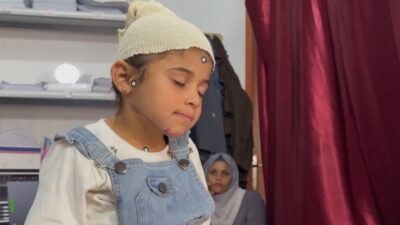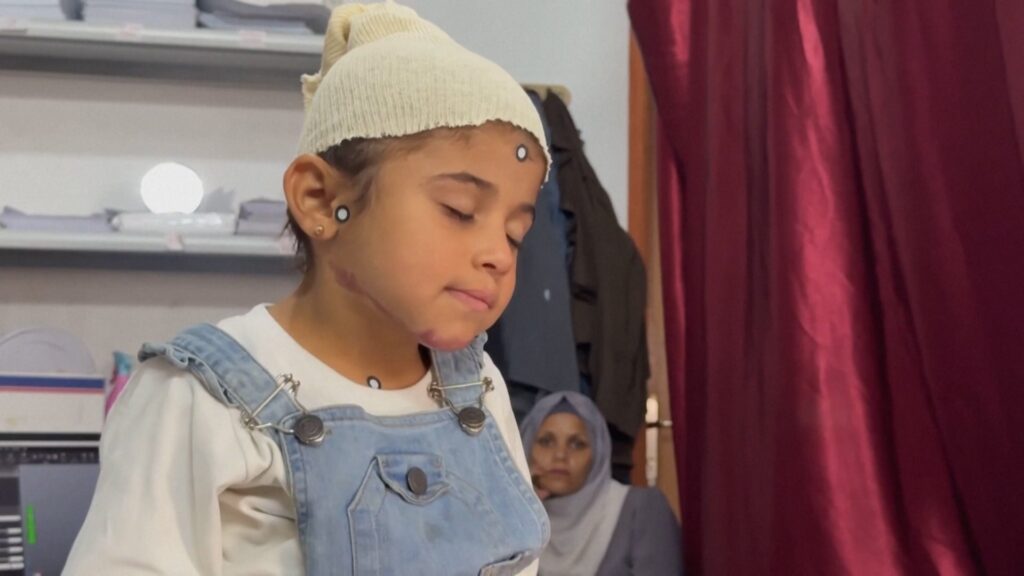
In the midst of ongoing conflict and humanitarian challenges, the recovery of six-year-old burn victim Masa in Gaza faces severe threats due to Israeli-imposed restrictions. Masa, who sustained severe burns, is among several patients requiring urgent medical supplies to aid their recovery. However, Israel’s current policy bars the entry of critical medical supplies into the Gaza Strip, creating significant obstacles for healthcare providers attempting to deliver necessary treatments.
The medical situation in Gaza has been deteriorating, with hospitals struggling to cope with an increasing number of patients needing specialized care. Burn victims like Masa require specific medications, dressings, and equipment to prevent infections and promote healing. The restriction on supplies has resulted in a shortage of essential items, jeopardizing the health outcomes of vulnerable individuals.
Medical professionals and aid agencies have raised alarms about the worsening humanitarian conditions. They emphasize the need for uninterrupted access to medical materials, especially for children who suffer from severe injuries in conflict zones. The current blockade has disrupted the treatment protocols, often forcing healthcare workers to improvise with limited resources.
Masa’s case highlights the broader impact of the restrictions on Gaza’s healthcare system. The six-year-old’s recovery depends heavily on the timely availability of therapeutic supplies, which are currently inaccessible due to security measures imposed by Israel. This situation underscores the critical balance between security considerations and humanitarian needs in conflict areas.
International organizations have called for urgent action to facilitate the entry of medical supplies into Gaza. They argue that denying essential healthcare materials contravenes international humanitarian law and exacerbates the suffering of innocent civilians, particularly children. The call is for all parties to prioritize the health and wellbeing of vulnerable populations amidst ongoing tensions.
Additionally, the blockade has implications beyond individual cases. It affects the overall capacity of Gaza’s health infrastructure, limiting the ability to respond effectively to emergencies and chronic health conditions. The restriction not only hinders immediate treatment but also poses long-term risks to public health in the region.
In response to global outcry, some diplomatic efforts aim to negotiate the easing of restrictions to allow critical supplies into Gaza. Nonetheless, the situation remains volatile, and humanitarian access continues to be a point of contention.
Masa’s story is a poignant reminder of the human cost of prolonged conflicts and the urgent need for humanitarian corridors that enable safe passage of medical aid. Without access to necessary treatment, children like Masa face uncertain futures, raising profound ethical concerns for all stakeholders.
The ongoing dilemma illustrates the complexity of addressing security concerns while ensuring that basic human rights, including access to healthcare, are upheld. As the international community watches, the plight of Masa and others in Gaza calls for renewed commitment to humanitarian principles and the protection of vulnerable populations in conflict zones.