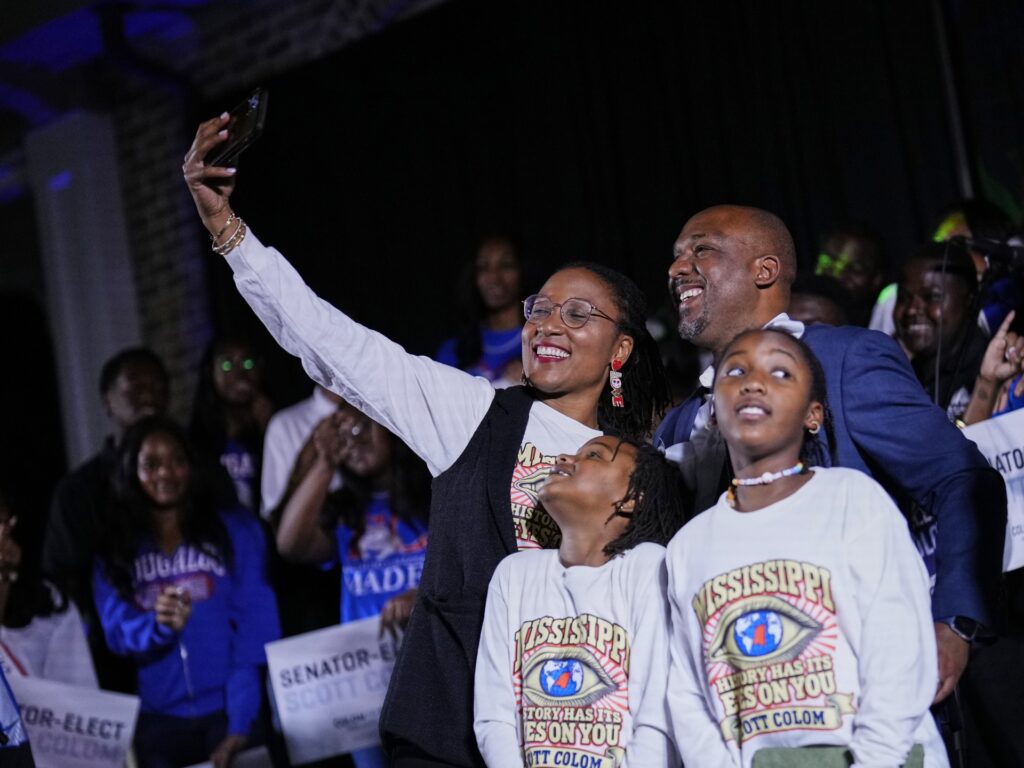
Scott Colom has made history by becoming Mississippi’s first Black senator in more than 150 years, breaking a long-standing racial barrier in the state’s political landscape. Mississippi, a state with a significant Black American population, has not had a Black senator since the 1800s, making Colom’s election a landmark moment in its history.
Colom’s rise to the Senate is significant not only for the symbolic breakthrough in racial representation but also for the impact it may have on policy and governance in Mississippi. The state has one of the largest Black populations in the United States, yet systemic barriers have historically limited political representation for Black Americans.
Throughout his career, Scott Colom has been a staunch advocate for civil rights and justice reform. His work as a prosecutor and his commitment to addressing inequalities have earned him respect across diverse communities. His election signals a potential shift towards more inclusive politics in Mississippi.
Colom’s historic win comes amid ongoing national conversations about race, equity, and the importance of diverse representation in government. His presence in the Senate may inspire more Black candidates to pursue political office in Mississippi and beyond.
Mississippi’s Senate seat has traditionally been held by white politicians since the post-Reconstruction era, reflecting the entrenched racial dynamics of power in the South. Colom’s achievement challenges these long-standing norms and paves the way for a more equitable political future.
As a senator, Scott Colom is expected to bring attention to issues affecting Black communities and work towards policies that promote social and economic justice. His election is a milestone for Mississippi and a beacon of progress in the ongoing struggle for racial equality in American politics.
In summary, Scott Colom’s historic election as Mississippi’s first Black senator in over 150 years marks a transformative moment for the state. His leadership promises to usher in a new era of representation and inclusivity, reflecting the diverse fabric of Mississippi’s population.