A recent poll reveals a significant shift in American public opinion, indicating that a majority of Americans are now less likely to support pro-war political candidates. According to the survey, Americans are showing a clear preference for policies that prioritize avoiding higher prices and economic stability rather than backing aggressive military actions, such as those advocated by former President Donald Trump concerning Iran.
This poll highlights a critical public sentiment where economic concerns and inflationary pressures are outweighing the appeal of military assertiveness. Specifically, the data shows that voters are opposing candidates who take a pro-war stance by a margin of three to one. This suggests that the electorate is increasingly wary of foreign conflicts that could escalate and further impact domestic economic conditions.
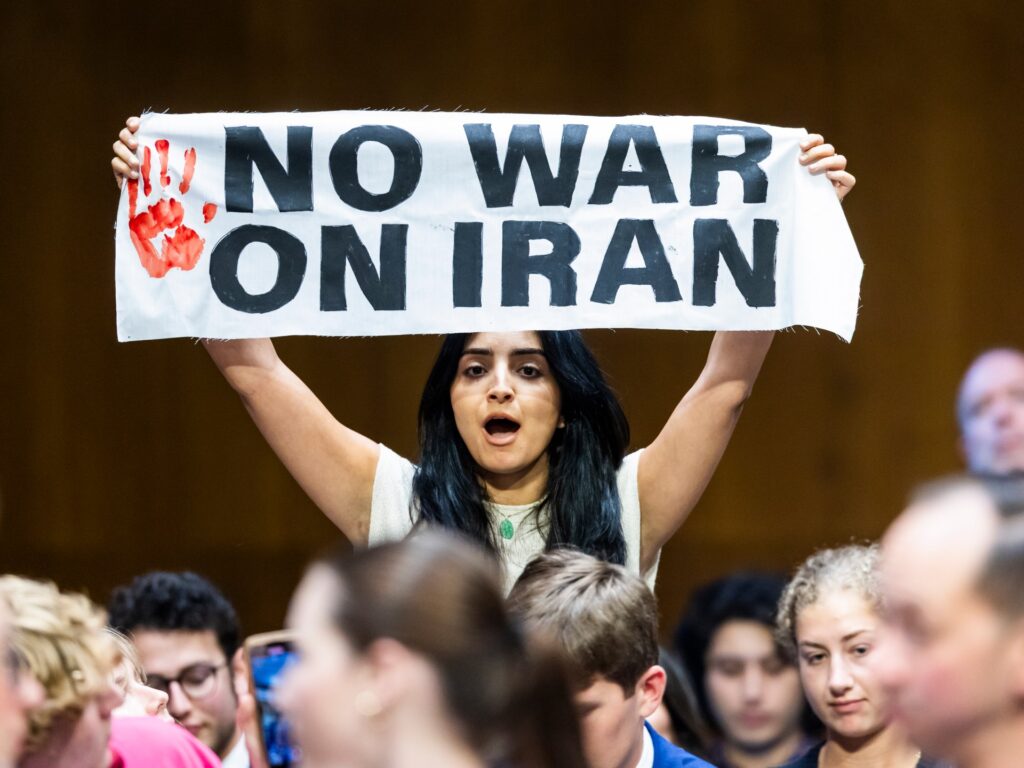
The findings come at a time when tensions between the United States and Iran remain a prominent issue in international relations. Despite calls from some political figures to adopt tougher military strategies, particularly those aligned with Trump’s previous policies, the public appears to prioritize the impact such decisions could have on everyday prices and the overall cost of living.
Experts analyzing the poll results interpret this trend as a reflection of voter fatigue related to protracted military engagements overseas, combined with a growing focus on immediate economic wellbeing. Rising inflation and the cost of goods continue to be pressing concerns for many American households, influencing their political choices and attitudes toward foreign policy.
Political analysts believe this poll could have significant implications for upcoming elections. Candidates who emphasize diplomatic solutions and economic reform may find greater favor among the electorate compared to those who push for aggressive military measures. This shift could lead to changes in campaign strategies and policy platforms as politicians adapt to the priorities of their constituents.
Further, the poll underscores a broader public skepticism about the efficacy and consequences of military action as a tool of foreign policy. Many voters are questioning whether pursuing military objectives, especially in volatile regions like the Middle East, aligns with their interests or the nation’s long-term security goals.
In summary, the polling data provides a clear message that Americans currently favor policies aimed at stabilizing the economy and avoiding price hikes over those endorsing a confrontational military approach. This sentiment places economic considerations at the forefront of voter priorities, signaling a potential reevaluation of US foreign policy and defense strategies in the context of Iran and beyond.