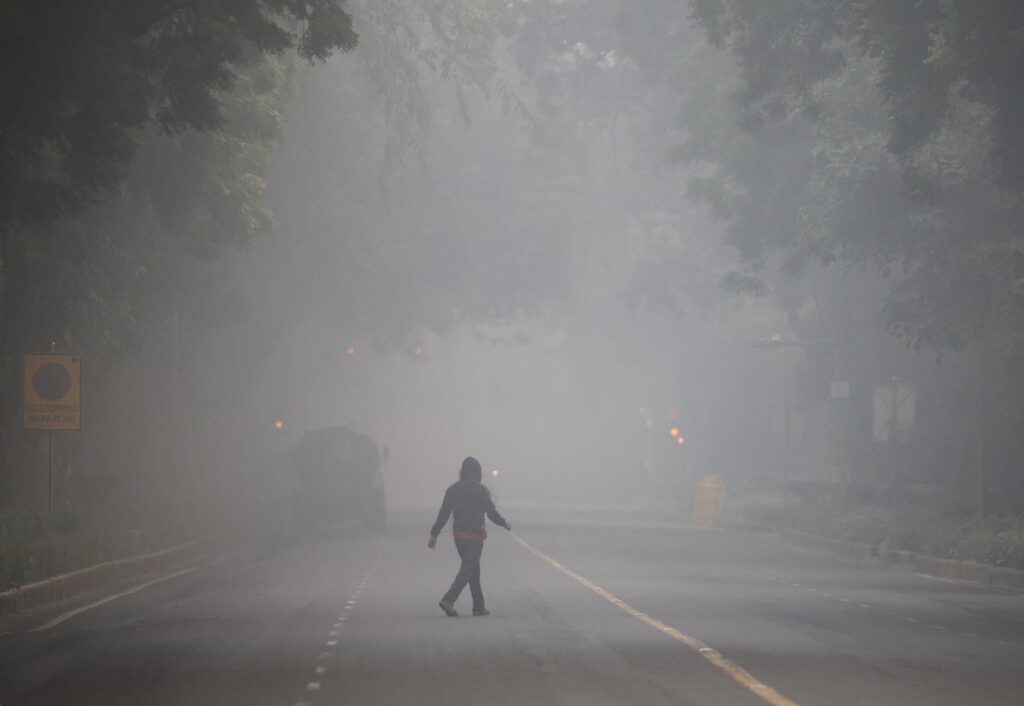
New Delhi woke up to a thick blanket of toxic smog following the spectacular fireworks display that marked the Diwali celebrations. The city, known for its pollution challenges, saw air quality plummet overnight as the heavy use of firecrackers released a dense cloud of pollutants into the atmosphere.
According to environmental experts, the sudden surge in particulate matter is primarily attributed to the Diwali festivities, where vibrant fireworks light up the sky but simultaneously contribute significantly to air pollution. The smog has reduced visibility and raised serious health concerns among residents, especially affecting children, the elderly, and individuals with respiratory conditions.
Authorities had issued warnings ahead of the festival, urging people to limit firecracker usage to minimize environmental harm. Despite these advisories, the cultural fervor and tradition led to widespread use of fireworks, exacerbating the pollution crisis immediately after the event.
Environmental activists have called for stricter regulations and public awareness campaigns to promote greener alternatives for celebrating Diwali. The air quality index (AQI) in New Delhi recorded hazardous levels early morning, climbing well above safe standards set by the World Health Organization.
Hospitals across the city reported an increase in patients suffering from breathing difficulties, eye irritation, and other pollution-related ailments. Medical professionals have urged the public to use masks and avoid outdoor activities until air quality improves.
The situation underscores the ongoing battle Delhi faces with air pollution, which worsens during winter months due to weather conditions that trap pollutants close to the ground. Government agencies have pledged to implement more sustainable practices and invest in pollution control measures to protect citizens’ health.
Residents have been advised to stay indoors, use air purifiers if available, and keep car windows closed to reduce exposure to the hazardous smog. Schools in some parts of the city have temporarily suspended outdoor activities to safeguard children.
This annual post-Diwali smog episode serves as a poignant reminder of the environmental cost of celebrations and the urgent need for collective action to adopt eco-friendly practices that preserve public health and the environment.