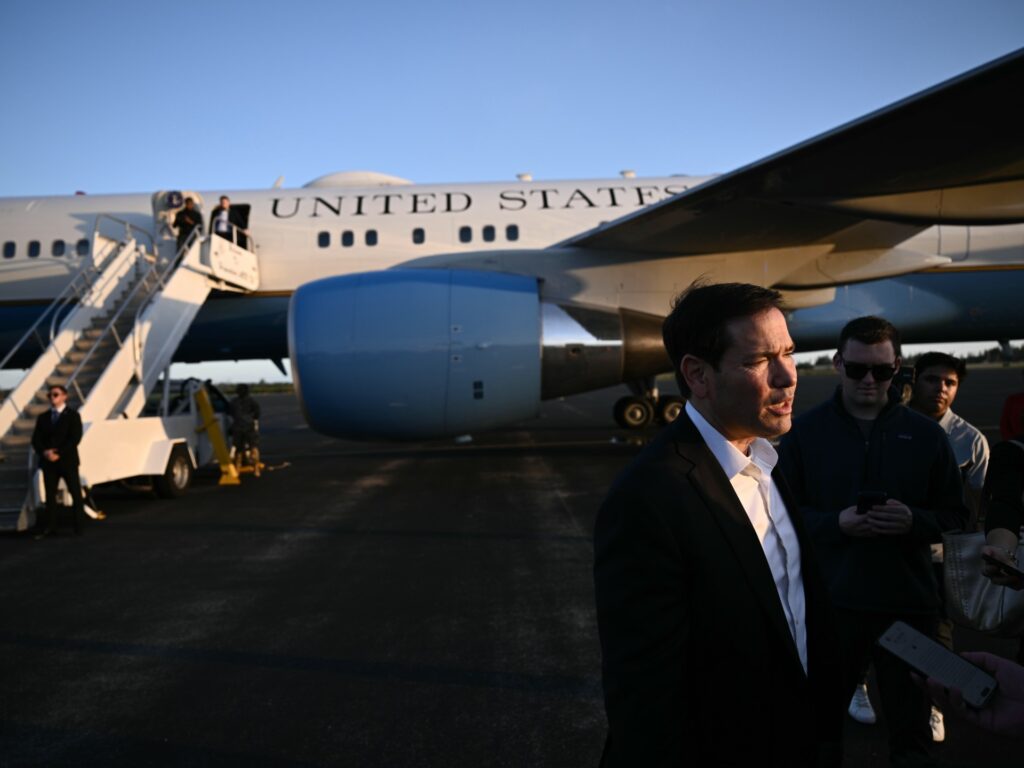
US Senator Marco Rubio has stated that while a war with Iran is unpopular, it remains necessary to prevent the country’s nuclear ambitions. Rubio emphasized the seriousness of the nuclear threat posed by Iran, warning that diplomatic negotiations have reached an impasse. He criticized Iran’s negotiation tactics as “outrageous and ridiculous, and really not realistic,” underscoring his skepticism about the possibility of a peaceful resolution through dialogue.
Rubio’s comments come at a time of heightened tensions between the United States and Iran, with concerns growing over Tehran’s advancement in nuclear technology. Despite broad public opposition to military conflict, Rubio argues that decisive action is imperative to halt Iran’s nuclear program before it can pose a greater threat to regional and global security.
The US Secretary of State echoed Rubio’s sentiments, dismissing Iran’s demands during negotiations as unrealistic. This stance reflects the administration’s growing impatience with Iran’s diplomatic approach and signals a potential shift towards a firmer strategy if negotiations continue to stall.
Iran, on the other hand, has maintained that its nuclear program is for peaceful purposes, while insisting that it will not back down from its positions in negotiations. The ongoing deadlock has raised fears of escalating conflict, with diplomatic options appearing increasingly limited.
Experts warn that a military confrontation, though unpopular, might become unavoidable should diplomatic efforts fail completely. They caution that such a war could destabilize the Middle East further but recognize the urgency expressed by policymakers like Rubio.
The debate continues on how best to handle Iran’s nuclear ambitions, balancing the risks of military intervention against the dangers of allowing nuclear proliferation. Rubio’s comments highlight the complexity and gravity of the situation, emphasizing that while war may be unpopular, the threat posed by Iran’s nuclear program cannot be ignored.