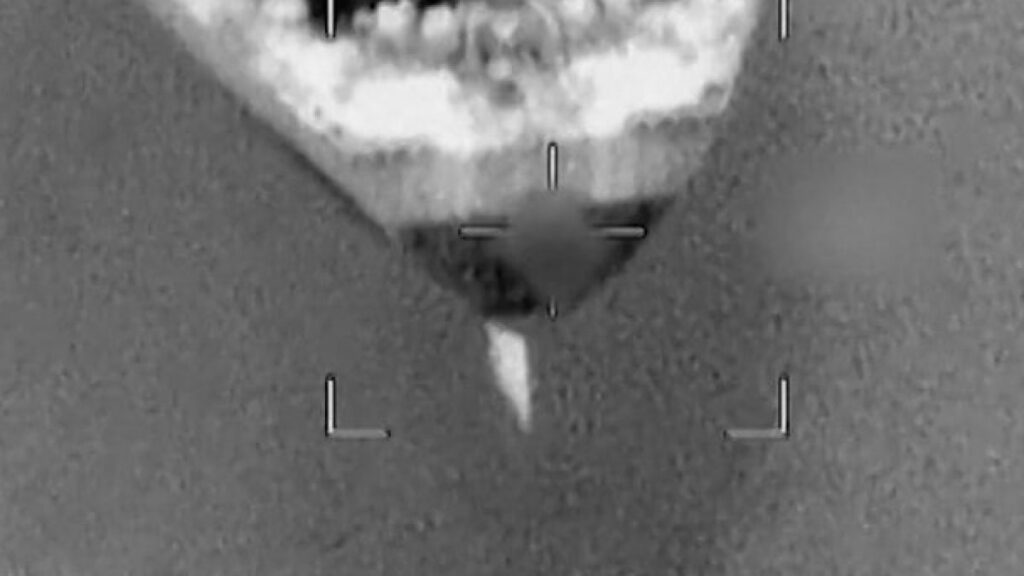
In a recent development in the Gulf of Oman, the US military reported firing upon and disabling a cargo ship flying the flag of St. Kitts. This unprecedented military action took place in the strategic maritime region known for its vital shipping lanes and political tensions. The US forces targeted the vessel after issuing warnings, indicating a concerns related to security or compliance, though specific reasons for the attack were not immediately disclosed. The cargo ship, now disabled, marks a significant escalation in the US military’s presence and enforcement operations within the Gulf region. Authorities are currently investigating the incident to determine the exact circumstances that led to such a decisive measure. The Gulf of Oman, which connects the Arabian Sea with the Strait of Hormuz and the Persian Gulf, is a critical chokepoint in global oil transportation, making any military action there highly impactful on international shipping and geopolitical dynamics. This incident raises urgent questions about maritime security, the rules of engagement, and the broader implications of military force in international waters. The flagging state of the ship, St. Kitts, a small island nation with a shipping registry, highlights the global nature of maritime commerce and the complexity of jurisdictional affairs at sea. Regional and international stakeholders are closely monitoring the situation as diplomatic discussions may follow to address the ramifications. This event could potentially influence future naval operations, shipping lane protections, and the strategic posture of global powers in the Gulf region.