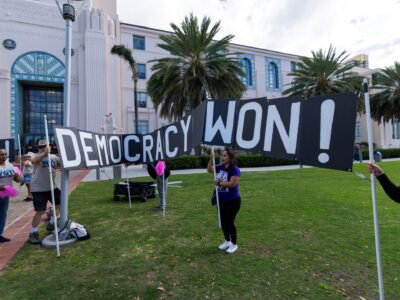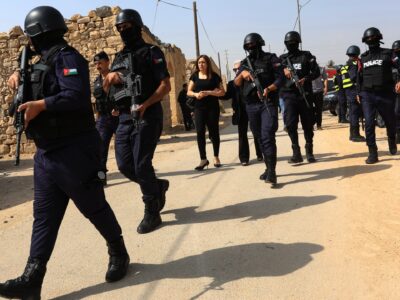
Following the recent midterm elections, a notable shift has emerged among former President Donald Trump’s allies regarding the ongoing conflict with Iran. The elections, which resulted in significant losses for pro-war candidates, have spurred a reevaluation of the U.S. approach to Iran, particularly among conservative figures previously supportive of hardline policies.
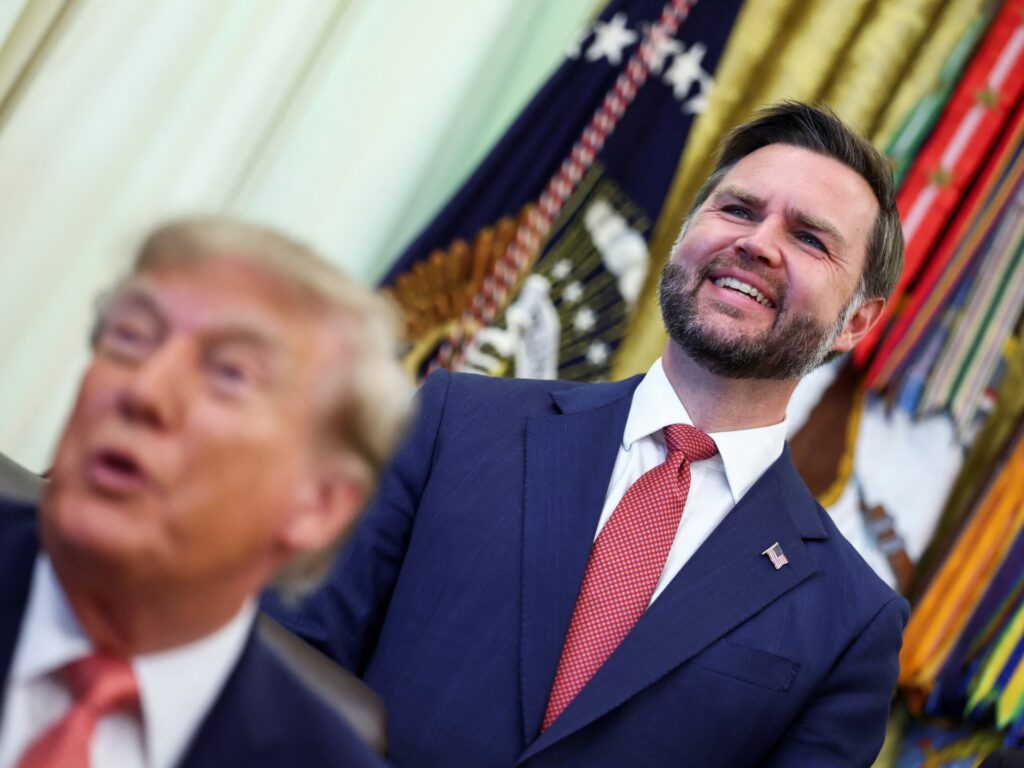
US Vice President JD Vance has openly attributed the Republican defeats to public dissatisfaction with the war strategy, emphasizing that the prolonged conflict has alienated key voter bases. In his statements, Vance underscored the need for a recalibrated approach that prioritizes diplomacy and domestic concerns over military engagement.
The election results have empowered Democrats in Congress, who are now preparing to leverage their legislative influence to impose stricter controls on war-related decisions. Several Democratic leaders have proposed bipartisan measures aimed at limiting the executive branch’s ability to escalate military actions without congressional approval.
This political realignment is further reflected in shifts within the Republican caucus. Several of Trump’s allies are seeking to distance themselves from the war rhetoric, mindful of the electoral backlash and the growing public appetite for de-escalation. Analysts interpret this as a strategic move to maintain relevance and electoral viability in a changing political climate.
Experts note that the war with Iran has become a critical electoral issue, influencing voter sentiment and campaign strategies nationwide. The midterm defeats serve as a clear message: the American public demands a reassessment of foreign policy priorities, particularly regarding conflict in the Middle East.
Legislative initiatives currently under discussion include enhanced oversight mechanisms, requiring more comprehensive reporting to Congress on military activities and expenditures related to Iran. Lawmakers are also considering diplomatic efforts, encouraging engagement with international partners to foster a peaceful resolution.
In parallel, public opinion polls indicate rising skepticism about the benefits of continued military operations in Iran. This shift has created an opening for politicians to advocate for alternatives centered on economic sanctions, diplomatic negotiations, and regional stability.
The distancing of Trump’s allies from the Iran war marks a significant pivot in U.S. political dynamics. It highlights a growing awareness within conservative ranks that unwavering support for military conflict may no longer be politically advantageous. This evolution could influence future policy decisions and shape the broader discourse on America’s role in global conflicts.
Ultimately, the midterm election outcomes act as a catalyst for change, prompting both parties to reconsider their positions on war with Iran. As Congress prepares to assert greater authority, the battle for America’s foreign policy direction continues, reflecting deep divisions yet also a shared desire to avoid prolonged entanglements abroad.