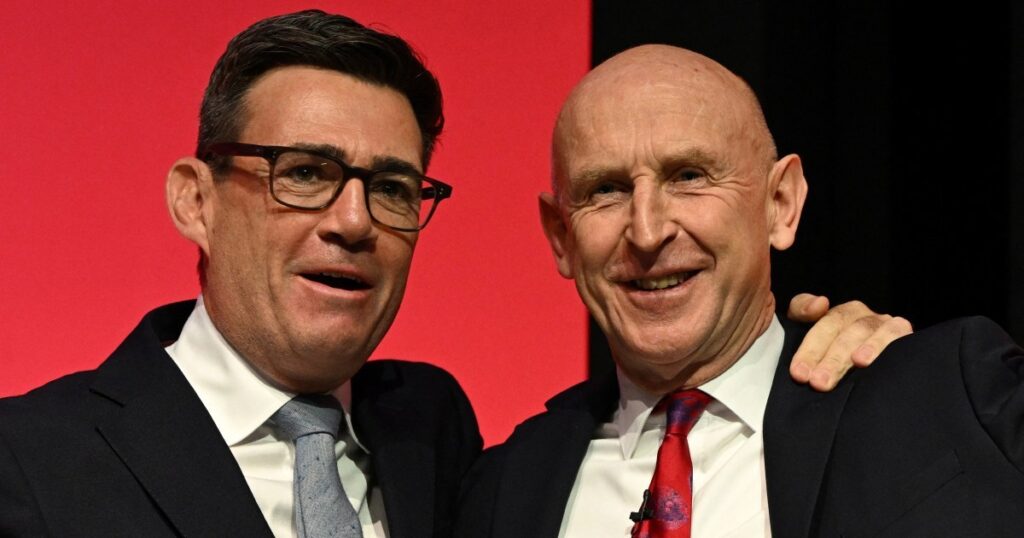
The newly formed government under Chancellor Burnham is set to present its first UK budget this autumn, addressing critical challenges such as rising living costs and escalating energy bills. This budget comes at a crucial time when millions of households across the United Kingdom are grappling with economic uncertainty, inflationary pressures, and the aftermath of the global pandemic.
With inflation rates still high, consumers are feeling the pinch as everyday expenses surge, particularly in heating and electricity costs. The government aims to balance fiscal responsibility with the need to provide relief and support to vulnerable families and businesses.
Key features expected in Burnham’s budget include targeted financial aid measures, such as increased subsidies or tax relief for lower and middle-income households, to mitigate the impact of energy price hikes. There is also anticipation around investments in renewable energy and green technologies as part of the government’s commitment to sustainability and reducing carbon emissions.
Analysts believe that the budget may introduce reforms to welfare programs and public services, aiming to enhance social safety nets while maintaining budgetary prudence. There is speculation about potential adjustments in income tax thresholds or national insurance contributions to help ease the financial burden on working citizens.
Businesses, particularly small and medium enterprises (SMEs), are expected to benefit from measures designed to support economic growth and job creation. Possible incentives could include tax breaks, grants, or simplified regulatory processes to stimulate investment and innovation.
Education and healthcare sectors might also see increased funding to address longstanding challenges exacerbated by recent crises. The government’s approach is likely to emphasize efficiency and sustainability, seeking to optimize resource allocation without compromising quality.
The budget speech will also likely cover infrastructure development plans aimed at boosting connectivity, transportation, and digital infrastructure, essential for long-term economic resilience. Significant attention may be given to social housing projects to tackle affordability and homelessness issues.
Critics of the budget may express concerns about the scale and timing of proposed measures, debating the trade-offs between immediate relief and long-term fiscal health. However, there is broad consensus that a proactive approach is necessary to navigate the current economic landscape effectively.
In summary, Burnham’s inaugural budget is expected to be a balancing act, addressing urgent cost-of-living challenges while laying the groundwork for sustainable economic recovery. The measures unveiled will reflect the government’s priorities of social equity, environmental responsibility, and economic stability, aiming to steer the UK through a period of significant uncertainty and change.