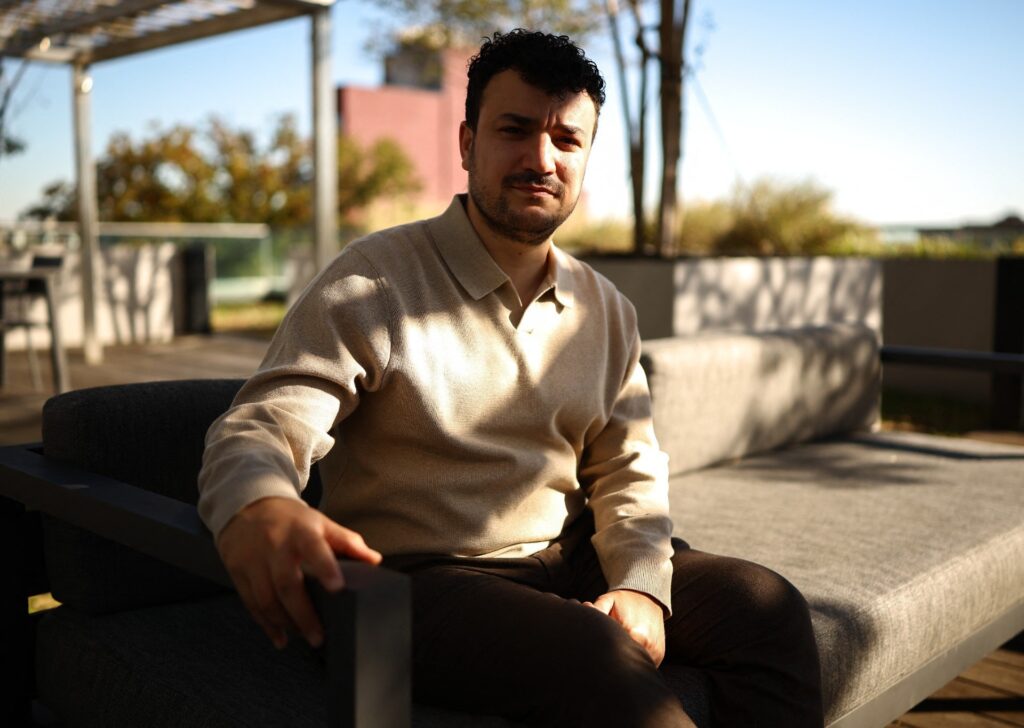
Mahmoud Khalil, a prominent pro-Palestinian activist, has made a notable return to Columbia University after being detained in the United States. His detention had caused considerable concern among advocates for Palestinian rights and university communities, drawing attention to issues of activism, free speech, and immigration enforcement.
Khalil’s return marks his first visit back to Columbia since the episode, symbolizing both personal resilience and the ongoing struggles faced by activists in politically sensitive contexts. His presence at the university reinvigorates dialogue and solidarity around the Palestinian cause and highlights the challenges activists encounter on international platforms.
During his detention, Khalil was reportedly held under immigration-related circumstances, which sparked debates about the treatment of political activists and the broader implications for academic freedom and activism within the US. Advocacy groups and Columbia University community members expressed their support for Khalil, emphasizing the importance of protecting human rights and the freedom to advocate for contentious political causes.
At Columbia, Khalil is expected to engage in discussions and activities that foster a greater understanding of Palestinian issues, the conditions of activism, and the intersection of political expression and state policies. His return is seen as an important step in continuing his advocacy work and maintaining visibility for Palestinian human rights on campus.
This event underscores the complex dynamics between activism, university environments, and government policies. It also raises critical questions about the balance between national security concerns and the protection of civil liberties, particularly in regards to political activists and immigrants.
The support for Khalil’s return at Columbia reflects a broader commitment to uphold academic freedom and ensure that universities remain spaces for diverse political views and robust debate. His journey highlights the resilience of activists who navigate challenging political landscapes and continue to raise awareness about pressing international issues.
While Khalil’s detention and subsequent return are specific to his case, they resonate with global conversations about human rights, freedom of expression, and the treatment of political activists worldwide. The event is a poignant reminder of the ongoing tensions that exist in societies striving to balance security, activism, and open dialogue.
Khalil’s story may inspire other activists and students to pursue their advocacy efforts despite obstacles, reinforcing the importance of perseverance and community support in effecting social change. Columbia University is expected to continue providing a platform for such critical discussions, further cementing its role as a hub for political and social activism.
In conclusion, Mahmoud Khalil’s return to Columbia University after his US detention is more than a personal milestone—it is a powerful statement about the resilience of activism, the significance of academic environments in fostering political discussion, and the ongoing global struggle for Palestinian rights.