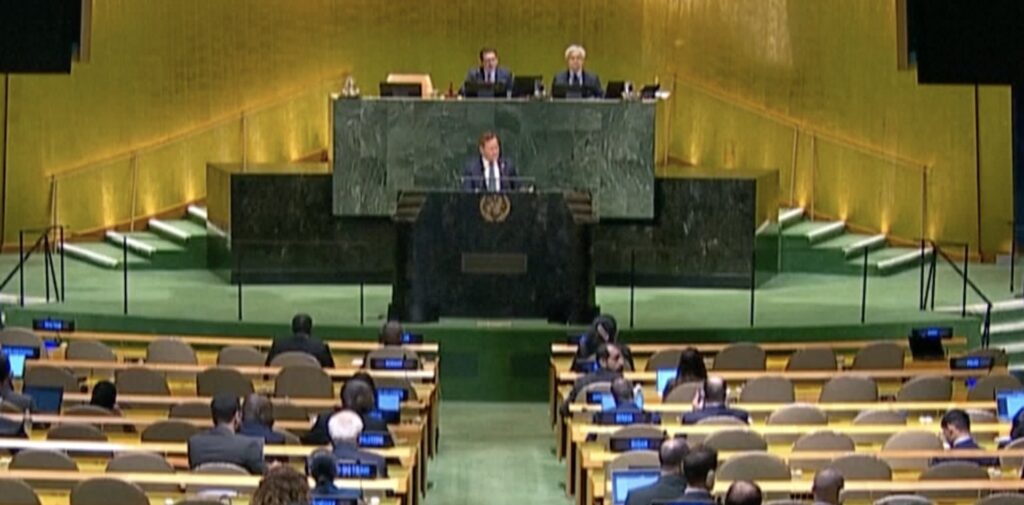
In a tense exchange that unfolded at UN headquarters, US envoy Mike Waltz sharply confronted Cuba’s diplomatic team, repeatedly asserting, “This is America.” The heated clash drew attention for its rare display of open hostility during a typically controlled diplomatic environment.
The incident occurred during a meeting where issues regarding Cuba’s political stance and its role in international matters were being debated. Waltz’s remarks reflected the ongoing tensions between the United States and Cuba, two countries with a long history of strained relations dating back to the Cold War era.
Waltz’s repetition of the phrase “This is America” appeared to be a pointed reminder of US dominance in the Western Hemisphere and a rebuke against Cuban positions that challenge US policies and interests. The confrontation indicated the broader geopolitical friction currently at play on the global stage.
Cuba’s team, known for their steadfast defense of their country’s political system and international policies, responded with their own sharp rhetoric, underscoring their rejection of US influence and interference.
Observers at the UN noted that such exchanges, while not unprecedented, have become increasingly charged amidst contemporary debates over human rights, economic sanctions, and political sovereignty. This clash highlighted the deep-seated animosities that continue to shape interactions between the US and Cuba.
Analysts suggest that Waltz’s forceful language was intended both for the immediate diplomatic audience and the international community at large, signaling the US’s refusal to back down in its stance against Cuba’s international behavior.
The event has sparked discussions about the role of diplomacy in managing conflicts where ideological differences run deep. It raises questions about the effectiveness of confrontational tactics versus dialogue in resolving longstanding disputes.
As the situation unfolds, both countries remain locked in a complex geopolitical rivalry that influences not just bilateral relations but also regional stability and international alliances.
This moment at the UN serves as a stark reminder of the challenges facing global diplomacy and the persistent divisions that complicate efforts to achieve consensus on critical international issues.