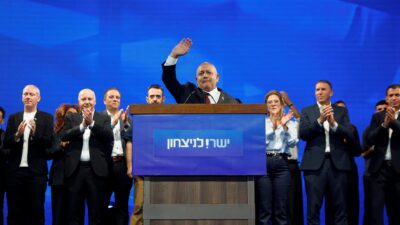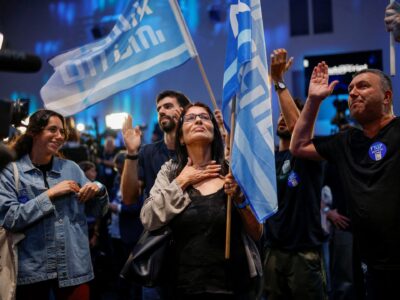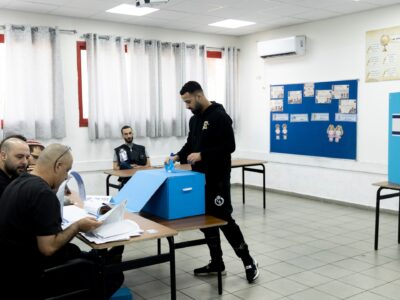
The recent election in Israel has drawn unprecedented attention as exit polls reveal an unusually close contest between Prime Minister Benjamin Netanyahu and challenger Gadi Eisenkot. This election has been widely described as one of the most consequential in the country’s history, with a record high voter turnout underscoring its significance.
Early reports from exit polls indicate a near tie, creating an atmosphere of suspense across the nation and among international observers. The high voter engagement illustrates the critical importance of this election to Israel’s future political landscape.
Both Netanyahu, representing the Likud party, and Eisenkot, a former Chief of Staff of the Israeli Defense Forces and leader of the new National Unity party, have campaigned vigorously on platforms addressing security, economic stability, and relations with neighboring countries.
Netanyahu’s tenure has been marked by a focus on security and international diplomacy, while Eisenkot has positioned himself as a candidate for change, appealing to voters seeking moderate policies and a fresh approach to longstanding conflicts.
The tight race is expected to trigger extensive negotiation among parties, as Israel’s parliamentary system often requires coalition governments. Political analysts suggest that the final government formation may hinge on smaller factions and independent lawmakers.
Election observers highlight that this close vote reflects a deeply divided electorate, with significant portions of the population supporting contrasting visions for Israel’s direction.
The uncertain outcome has sparked diverse reactions domestically and internationally, with many awaiting the official results and the subsequent steps towards government formation.
In the coming days, detailed vote counts will be reported, and parties will engage in coalition talks. The international community remains attentive, recognizing the pivotal nature of this election for regional stability and broader geopolitical dynamics.
Overall, the election showcases the vibrant democratic process in Israel and the high stakes involved as the country navigates complex internal and external challenges.