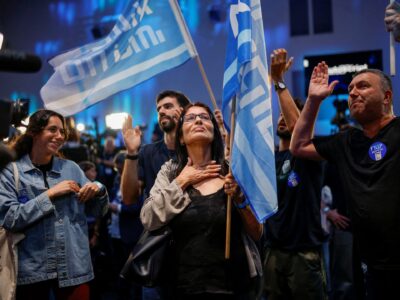
The recent Israeli elections have captured global attention, with exit polls indicating a neck-and-neck race between the political blocs led by Benjamin Netanyahu and Benny Gantz’s alliance, which includes former IDF Chief of Staff Gadi Eisenkot’s supporters. This vote has been widely characterized as the most consequential in Israel’s history due to its potential to shape the future direction of the country significantly.
Voter turnout has been notably high, reflecting the gravity with which Israelis approached this election. Citizens from diverse backgrounds turned out to cast their ballots, underscoring the election’s significance amid ongoing political, security, and social challenges faced by the nation.
Benjamin Netanyahu, the incumbent Prime Minister and leader of the Likud party, is seeking to maintain power after a series of turbulent years marked by domestic and international pressures. His bloc’s performance in the polls illustrates a deeply divided electorate, with strong support from conservative and right-wing factions.
On the other side, Gadi Eisenkot, a respected former Chief of Staff of the Israel Defense Forces, has allied with Benny Gantz, former military chief and head of the centrist Blue and White party. Their bloc appeals to voters desiring a change in leadership, emphasizing security experience combined with a more moderate political stance.
The exit polls show the two blocs almost evenly matched, suggesting that coalition negotiations after the election will be complex and critical. The balance of power may hinge on smaller parties, who could become kingmakers in the formation of the next government.
Election observers have noted that this high-stakes political contest comes against a backdrop of regional instability, economic concerns, and social divisions within Israeli society. Many voters see this election as a decisive moment to address these pressing issues.
The final official results are expected in the coming days, but the early data underscores the polarized political landscape and the uncertainty that lies ahead for Israel. Regardless of the outcome, this election is poised to have a profound impact on the nation’s policies and its role on the international stage.
Political analysts worldwide are closely watching the developments, aware that Israel’s future leadership will influence regional diplomacy, security arrangements, and domestic reforms.
In summary, the Israeli elections have proven to be a pivotal event. The tie indicated by exit polls between Netanyahu’s and Eisenkot’s blocs, coupled with the historic voter turnout, highlights a crucial juncture for Israeli democracy, stability, and future direction.