In a significant development in the Israeli parliamentary elections, Arab political parties are projected to secure a historic 18 seats. This surge marks a notable increase in representation for Arab citizens of Israel and reflects a broader shift in the political landscape.
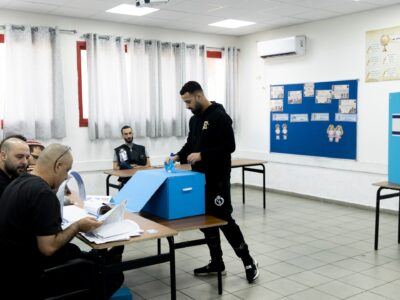
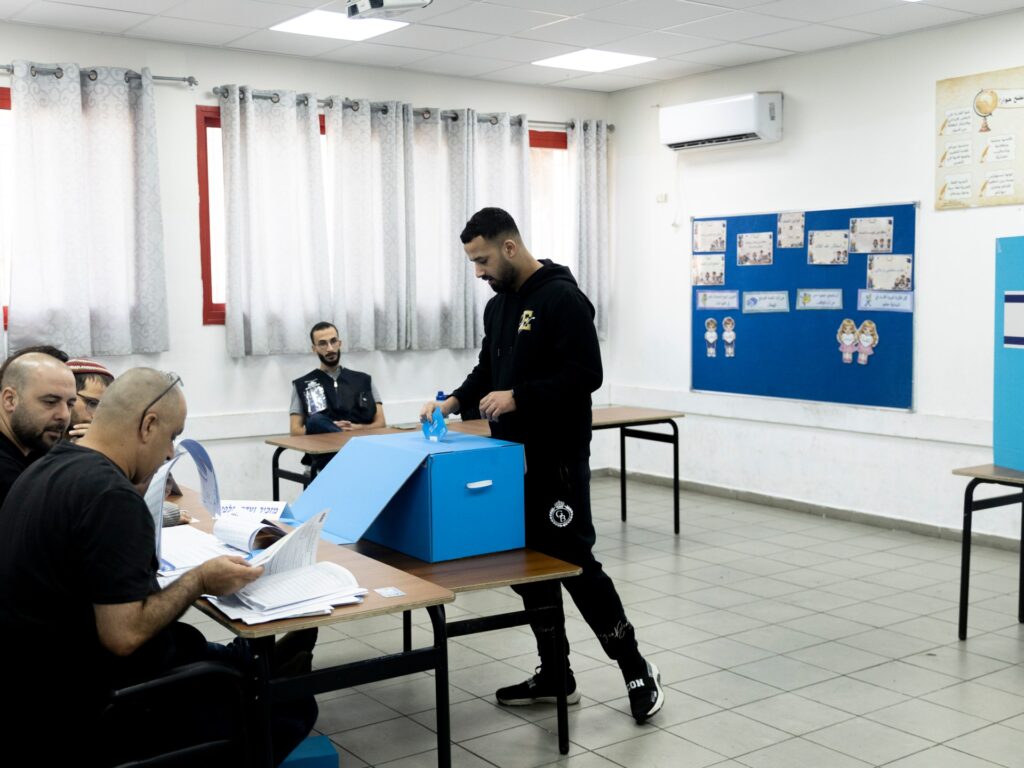
One of the most striking aspects of this election cycle has been the unprecedented voter turnout among Palestinian citizens of Israel. Early data indicates a record-breaking participation rate of approximately 80 percent, a figure that far exceeds previous elections. This high engagement level underscores the heightened political awareness and mobilization within the Arab community.
Historically, Arab parties in Israel have struggled to achieve substantial representation in the Knesset, Israel’s parliament. However, the current projections suggest a stronger presence that could influence policy discussions and national decisions. The increased voter turnout and subsequent rise in seats highlight an empowered electorate eager to assert its political voice.
The reasons behind this surge are multifaceted. Many Arab citizens feel a pressing need to address issues affecting their communities, such as equality, civil rights, and social justice. Additionally, regional tensions and international developments have galvanized political participation, encouraging more voters to engage actively in the democratic process.
This election outcome could lead to new alliances and a reevaluation of Israel’s domestic policies concerning its Arab minority. The projected success of Arab parties signals a potential shift towards greater inclusion and representation, which could impact legislative priorities and national discourse.
Political analysts also note that the higher turnout among Palestinian citizens of Israel might inspire other minority groups to increase their political activity in future elections. The robust participation rate and electoral gains demonstrate the effectiveness of grassroots mobilization and community organization.
Moreover, the election results have drawn international attention, highlighting the dynamic nature of Israel’s democracy and the evolving political agency of its Arab population. Observers suggest that this moment could pave the way for more nuanced and inclusive governance.
As the final vote count continues, parties and analysts await confirmation of the projections. Regardless, the early results already mark a milestone in Israeli politics, reflecting a transformative moment for Arab citizens and their role in shaping the nation’s future.
In summary, the projected victory of Arab parties with 18 seats and the record voter turnout of about 80 percent among Palestinian citizens of Israel represent a landmark event. This development not only amplifies the political voice of Arab Israelis but also promises to influence the broader political narrative within the country moving forward.