Former President Donald Trump is currently facing a lawsuit filed by private citizens concerning the restriction of media access to the White House during his administration. The plaintiffs, comprised largely of media outlets and private individuals, argue that these limitations have deprived them and the public of vital information that is crucial for transparent and accountable governance.
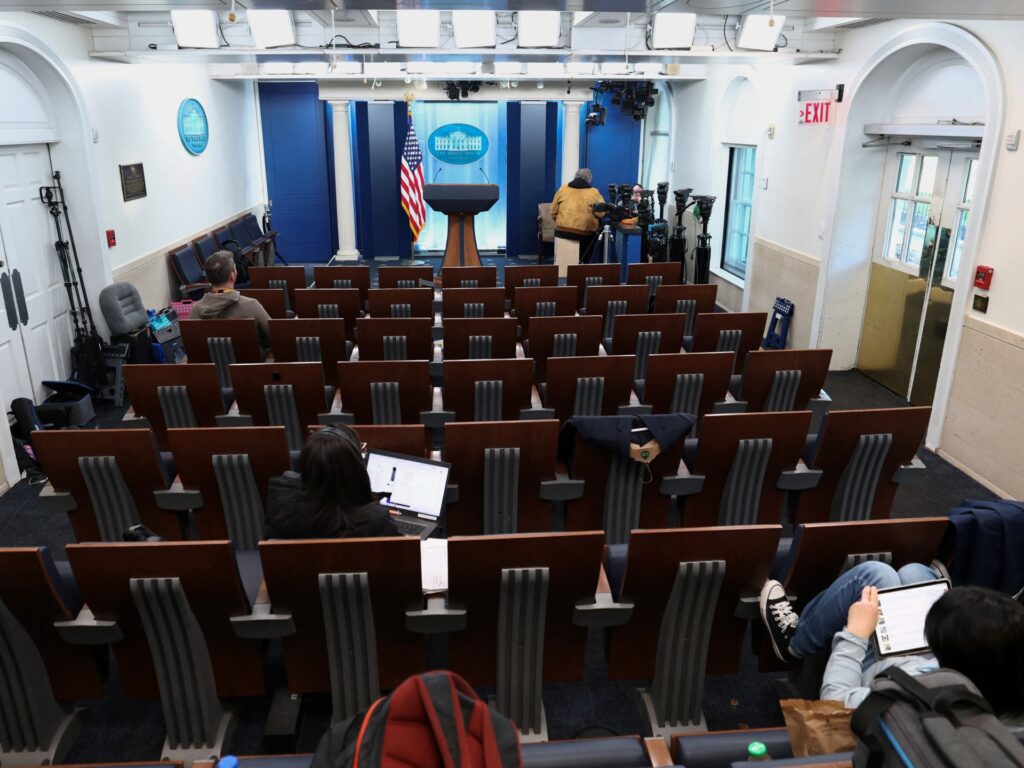
The lawsuit centers on claims that the Trump administration imposed unprecedented constraints on the press, affecting the ability of journalists to report freely and comprehensively from the White House. Media organizations assert that these restrictions hindered their capacity to cover important governmental activities, policy decisions, and the overall workings of the executive branch.
Supporters of the lawsuit emphasize that access to the White House press briefings and the ability to report directly from the premises are fundamental to democracy. They argue that the actions taken under the Trump administration undermined the principle of government transparency and created a precedent that could threaten press freedom in future administrations.
The plaintiffs detail instances where journalists were excluded from briefings, denied press credentials, or faced confrontational encounters with White House press officials. Such actions are said to have resulted not only in the loss of timely information but also in a chilling effect on journalistic practices.
Legal experts note that the case could set significant legal boundaries concerning the balance between national security, executive privilege, and freedom of the press. While the White House inherently has the authority to regulate access for security and privacy reasons, critics argue that such powers must not be exercised to silence or unduly restrict the press.
The lawsuit has garnered attention from free-press advocates and civil rights organizations, who fear that limiting media access jeopardizes the public’s right to know and the watchdog role of the press in a democratic society. It raises important questions about accountability, the role of journalism, and the protection of civil liberties.
As the legal proceedings unfold, the case is expected to prompt broader discussions about establishing clear guidelines and protections for media access to government institutions. It underscores the ongoing tension between executive power and press freedom, a vital issue in maintaining an informed electorate and upholding democratic values.
The outcome of this lawsuit could have lasting implications for how future administrations interact with the media and the public. It serves as a reminder of the critical importance of open communication channels between government officials and citizens, facilitated through an independent and unrestricted press.
In conclusion, the lawsuit against former President Trump over limiting White House media access highlights the challenges faced in preserving press freedom in America. It calls attention to the necessity of vigilance to ensure that executive actions do not impede the essential role of the media in delivering information to the public and fostering transparent governance.