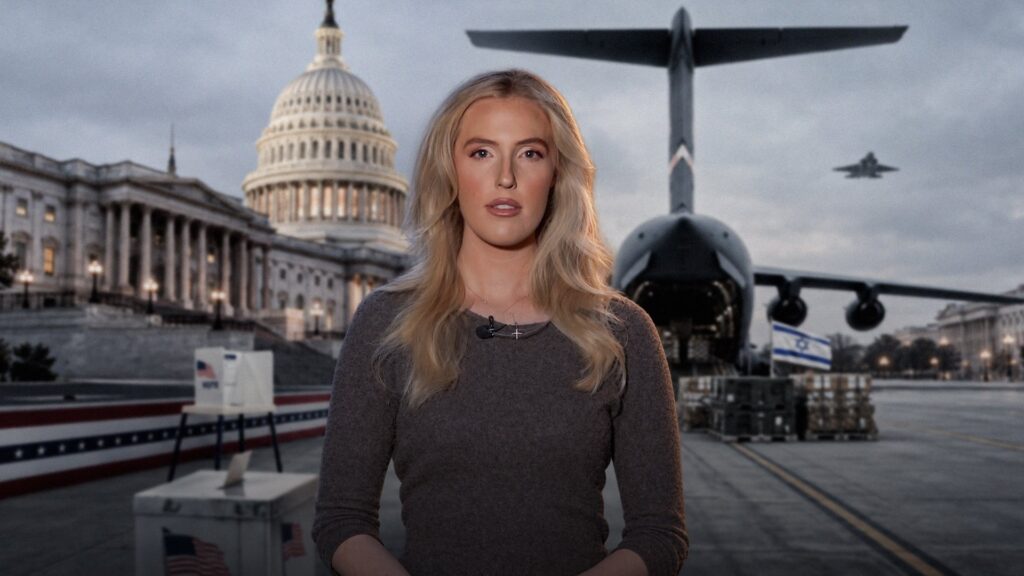
As the midterm elections approach, a significant shift in the political landscape could affect the United States’ military support to Israel. This issue has come to the forefront in several key states, including Texas and Michigan, where Senate candidates are openly challenging the longstanding U.S. policy of weapons transfers to Israel.
The debate over U.S. military aid to Israel is gaining traction as candidates on both sides of the aisle reassess the nature and extent of American involvement in the Middle East conflict. Traditionally, the U.S. has been a steadfast ally of Israel, providing substantial military support that includes advanced weaponry and financial assistance. However, growing concerns about the implications of this support, especially in light of ongoing regional tensions and humanitarian issues, have prompted some candidates to call for a reevaluation of these policies.
In Texas, a state known for its strong defense industry ties and robust support for Israel, new voices are emerging. Some Senate candidates advocate for a more cautious approach to arms transfers, emphasizing the need for accountability and considerations of international law. These candidates argue that unchecked military support may exacerbate conflicts and contribute to destabilization in the Middle East.
Michigan presents a similar narrative, where diverse constituencies are demanding a balanced approach. Candidates have been engaging with voters who question the impact of U.S. weapons shipments on the Israeli-Palestinian conflict and the broader implications for U.S. foreign relations. This discourse reflects a broader national debate about the role of American military aid as a tool of foreign policy.
Experts suggest that if these voices gain enough influence in Congress, there could be legislative shifts affecting defense budgets and foreign aid allocations, potentially leading to stricter conditions on military assistance to Israel. Such changes might involve enhanced oversight mechanisms and requirements for transparency in the use of U.S.-supplied arms.
This election cycle, the military support to Israel is becoming a litmus test for broader issues such as foreign policy priorities, defense spending, and human rights considerations. The outcome of the midterms could therefore reshape how the United States engages with Israel militarily and diplomatically.
Observers note that while the U.S.-Israel alliance remains strong, the evolving political dynamics underscore an increasing demand for nuanced discussions about peace, security, and ethical responsibilities in international relations. Voters’ attitudes in pivotal states will likely influence congressional decisions and, by extension, the future direction of American support to Israel.
In conclusion, the midterm elections serve not only as a political contest but also as a platform for reexamining U.S. commitments abroad. The challenges posed by Senate candidates in states like Texas and Michigan highlight a critical juncture where national security, foreign policy, and moral imperatives intersect, potentially altering the landscape of U.S. military support to Israel in the years to come.