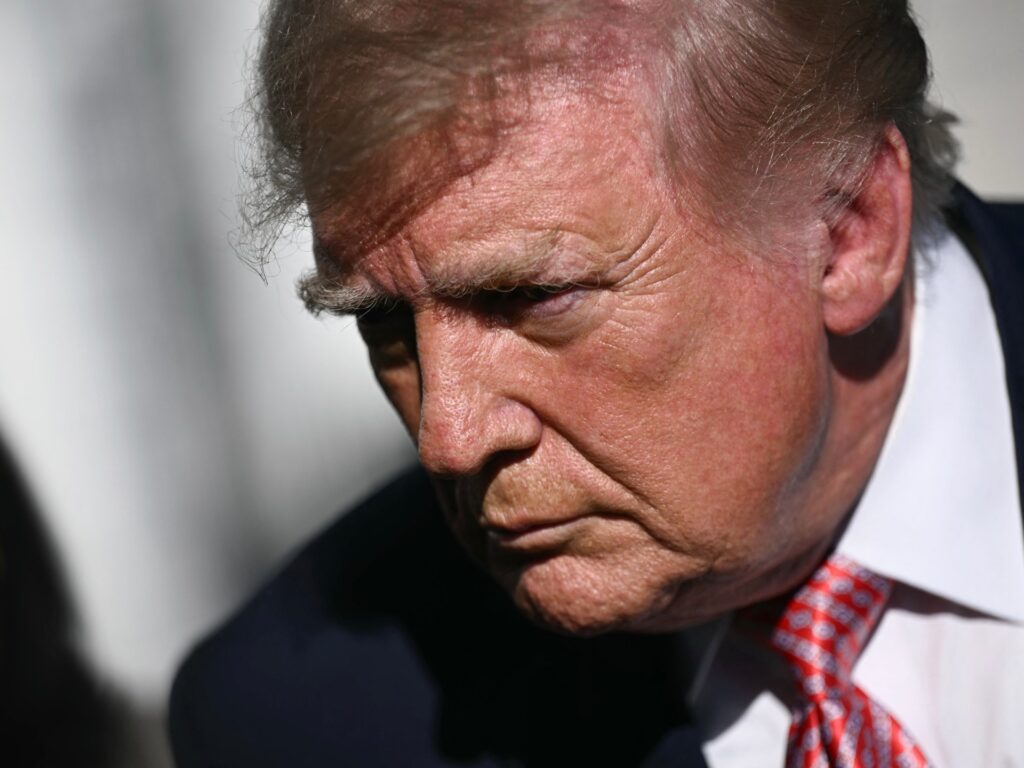
Recent polls indicate a significant decline in former President Donald Trump’s approval ratings, now at a record-low 31 percent. This downturn reflects growing challenges within the Republican Party as they prepare for upcoming elections. According to a Reuters/Ipsos poll, the Democratic Party currently holds a substantial lead, with a 12-point advantage over the Republicans in generic U.S. congressional ballot surveys.
These numbers suggest a shift in voter sentiment as the political landscape becomes increasingly competitive. Trump’s dwindling support could impact Republican strategies and their ability to mobilize voters effectively. The 12-point lead held by Democrats underscores potential difficulties for the GOP in securing congressional seats, highlighting a volatile and dynamic electoral environment.
The polling data serves as a critical barometer for both parties as they assess public opinion and adjust their campaigns accordingly. For Republicans, the focus may turn to addressing internal divisions, enhancing outreach efforts, and broadening their appeal to regain ground lost in recent months.
Meanwhile, Democrats appear poised to capitalize on this momentum, aiming to consolidate their gains and push for legislative victories. The implications of these trends extend beyond immediate election outcomes, influencing policy debates and the broader national discourse.
Analysts note that various factors contribute to this landscape, including economic concerns, public perceptions of leadership, and reactions to ongoing political developments. Trump’s low approval rating not only affects his political influence but also serves as a reflection of broader party challenges.
As campaigns intensify, both parties will likely prioritize voter engagement and message refinement to sway undecided constituents. The evolving polling figures will be closely watched as indicators of potential election results and future political shifts.
Overall, the current polling underscores the Republican Party’s uphill battle amid a political climate that favors Democrats, driven in part by decreased approval for their former leader. The coming months will be critical in determining how these trends translate into electoral outcomes and the direction of American politics.