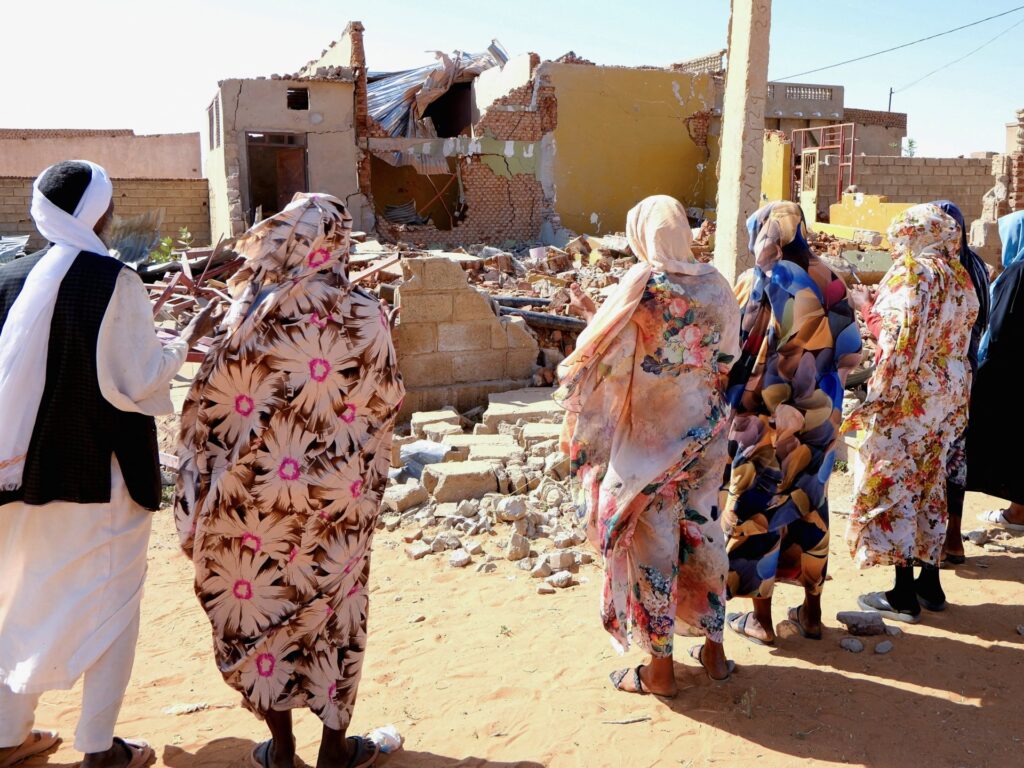
Sudan is currently facing a grave humanitarian crisis as drone attacks escalate across the country, resulting in at least 160 reported deaths. These attacks, increasingly carried out by unmanned aircraft, have targeted not only military sites but also civilians and critical infrastructure, amplifying fears and creating widespread chaos among the affected populations.
Rights groups monitoring the situation have issued urgent warnings about the consequences of the growing use of drones in the conflict. They highlighted that these unmanned aerial assaults do not distinguish between combatants and non-combatants, leading to devastating civilian casualties and considerable damage to essential services such as hospitals, schools, and water supplies.
The conflict in Sudan, which has been intensified by various political and ethnic tensions, has seen drone technology become a dangerous tool in the hands of various factions. Drones have been employed for reconnaissance as well as offensive strikes, escalating the complexity and lethality of the conflict.
Humanitarian agencies have expressed alarm over the accessibility of drone technology and the implications it has for the future of warfare, particularly in regions already burdened by instability and poverty. The indiscriminate nature of these attacks has compounded the suffering of Sudanese civilians, many of whom are displaced and now face additional threats to their survival.
Efforts to document the attacks and provide accurate casualty numbers are ongoing, but the chaotic conditions make precise data collection difficult. Nonetheless, the reported figure of 160 fatalities underscores the severity of the crisis.
International responses have included calls for ceasefires and peaceful negotiations, but the situation on the ground remains volatile. Diplomatic efforts to broker peace have been overshadowed by the continual advancements in drone warfare strategies used by conflicting parties.
The increase in drone attacks in Sudan highlights a dangerous precedent for conflict zones worldwide, where unmanned technology may lower the threshold for violence and reduce accountability for attacks on civilians. The international community faces the urgent challenge of regulating drone use in armed conflict to prevent further humanitarian disasters.
In summary, the escalating drone attacks in Sudan represent a tragic and complex chapter in the country’s ongoing strife. The situation demands immediate attention to protect civilian lives, preserve critical infrastructure, and promote lasting peace through dialogue and cooperation.