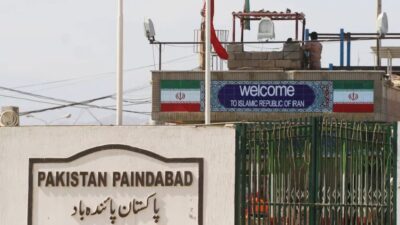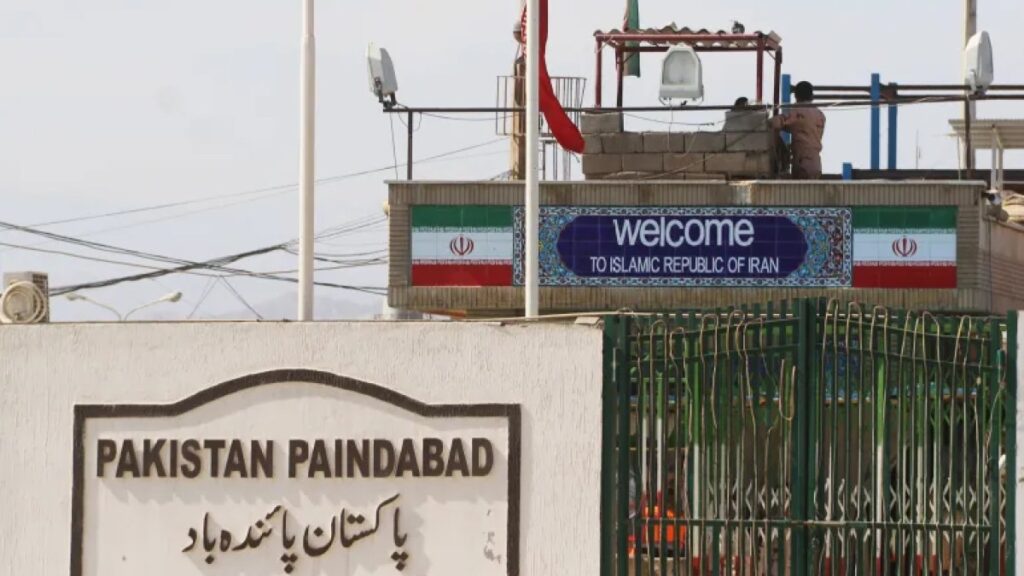
Pakistan has temporarily suspended trade activities across its border with Iran, citing escalating security concerns amid recent violence on both sides. The decision reflects Islamabad’s growing apprehensions about maintaining stability in the region as tensions rise. According to Pakistan officials, the move aims to prevent further incidents and ensure the safety of its border communities.
On the other hand, Iranian authorities have attributed the suspension to technical difficulties, presenting a differing narrative amid the unfolding situation. Tehran’s perspective highlights logistical and operational challenges that have impacted the border trade flow.
The border between Pakistan and Iran has long been a strategic corridor for trade, cultural exchange, and regional connectivity. However, the area has seen intermittent outbreaks of violence, often linked to broader geopolitical and security dynamics in the region. This suspension of trade marks a significant disruption with potential economic ramifications for both nations.
Pakistan finds itself in a delicate position, acting as a mediator in the complex relationship between Iran and the United States. Islamabad’s role involves balancing strategic interests and diplomatic engagements while managing domestic security issues arising from cross-border activities.
Security forces on both sides have reported incidents involving armed groups, contributing to the heightened tensions and prompting the trade halt. The border communities, dependent on cross-border commerce, now face uncertainty amid these developments.
Trade between Pakistan and Iran has historically included fuel, foodstuffs, and other essential goods, vital for the livelihoods of many living in adjoining regions. The suspension raises concerns over supply chain disruptions and economic losses.
Experts observe that the trade suspension could have broader implications, potentially influencing regional alliances and dialogues. The situation underscores the fragility of peace in border areas marked by historical dispute and contemporary geopolitical shifts.
Diplomatic efforts are underway to resolve the issues, with Pakistan seeking to negotiate reopening trade routes while addressing the security challenges. Tehran and Islamabad are in ongoing communication, aiming to restore normalcy and stabilize the border.
In parallel, Pakistan continues to play a crucial role in facilitating dialogue between Iran and the US, striving to ease regional tensions through diplomatic channels. The intersection of border security concerns and international diplomacy reflects the complexity of Pakistan’s position.
Local populations on both sides express concern over the economic impact and the safety of their communities. Humanitarian aspects are increasingly integral to the negotiations, emphasizing the need for solutions that consider the well-being of border residents.
The suspension exemplifies the broader challenges facing regional cooperation in a landscape marked by mistrust and conflict. Stakeholders stress the importance of dialogue, security cooperation, and confidence-building measures to prevent escalation.
As of now, no definitive timeline has been announced for the resumption of border trade activities. Monitoring the evolving situation remains critical for stakeholders within Pakistan, Iran, and the wider international community.
This development is a part of the ongoing narrative of shifting alliances, security concerns, and diplomatic efforts that shape the geopolitics of South and West Asia. The suspension serves as a reminder of the delicate balance nations must maintain to foster peace and prosperity in volatile regions.