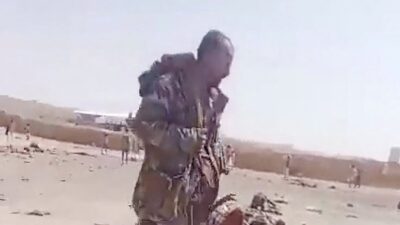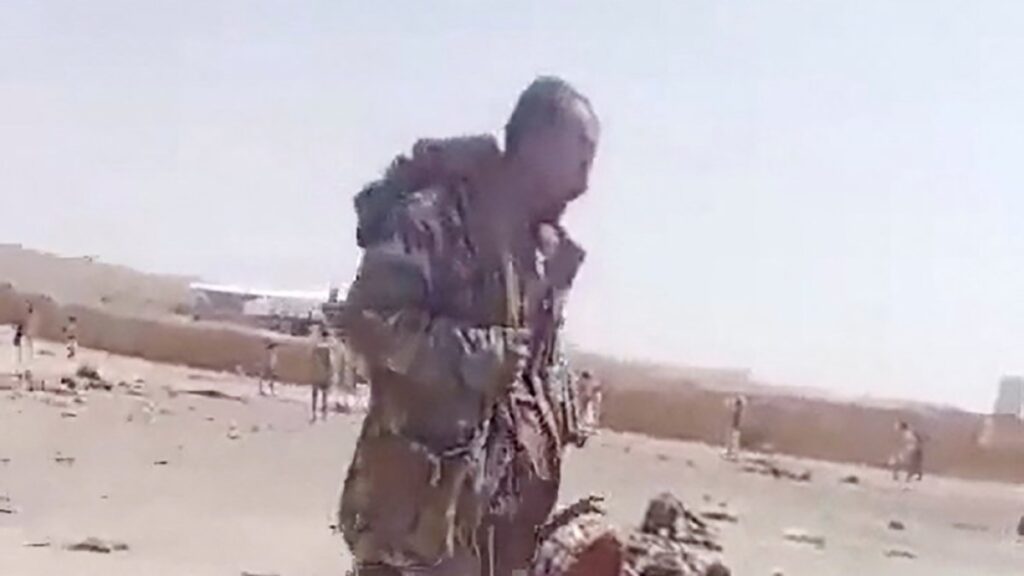
In a deadly escalation of the conflict in Yemen, the Houthi rebel group reportedly launched ballistic missiles at a Yemeni army camp in the southern governorate of Shabwa. The attack occurred during a military training exercise, leading to the deaths of at least 53 soldiers. This strike marks one of the most devastating blows to the Yemeni government forces in recent times and underscores the ongoing intensity of the conflict.
The army camp targeted was in the strategic governorate of Shabwa, a region known for its significance in the broader Yemeni conflict due to its location and resource wealth. The timing of the attack during a training exercise suggests a calculated attempt by the Houthis to inflict maximum damage when forces were concentrated and potentially less prepared for an immediate defense.
Ballistic missiles, known for their long-range and destructive power, have been used extensively by the Houthis throughout the conflict, often targeting military and civilian infrastructure in government-controlled areas. This recent strike not only demonstrates the group’s capability to carry out precision attacks but also highlights the ongoing challenges faced by Yemen’s government troops in securing key territories.
The death toll of at least 53 soldiers makes this attack one of the deadliest in the conflict’s recent history. It has led to increased calls for international attention and intervention to bring about a ceasefire and eventual peace negotiations. The Yemeni government has condemned the attack, describing it as a heinous act of terrorism aimed at disrupting the country’s stability.
Since the outbreak of the civil war in Yemen in 2014, the conflict has resulted in humanitarian crises, with thousands of casualties and widespread displacement. The ongoing fighting between Houthi rebels and government forces continues to impede efforts for peace and reconstruction.
Experts suggest that such attacks by the Houthis are part of their broader strategy to destabilize government-controlled regions and assert their influence over Yemen’s politically fragmented landscape. The use of ballistic missiles in densely populated or strategic areas raises concerns about escalating violence and the risk of civilian casualties.
International organizations and foreign governments have repeatedly called for a peaceful resolution to the Yemen conflict. However, ongoing hostilities like the missile attack in Shabwa reveal the deep-rooted complexities and entrenched positions that make peace negotiations difficult.
The Yemeni government is expected to increase its military preparedness and seek greater support from regional and international allies to counter the Houthi threat. Meanwhile, humanitarian agencies warn that continued violence exacerbates the suffering of the Yemeni population, who face food insecurity, lack of medical services, and displacement.
In conclusion, the Houthi missile attack on the Yemeni army camp in Shabwa represents a significant and tragic development in the Yemen conflict. With dozens of soldiers killed and the conflict showing no sign of abating, the urgent need for renewed diplomatic efforts and humanitarian support remains critical to prevent further loss of life and promote stability in the region.