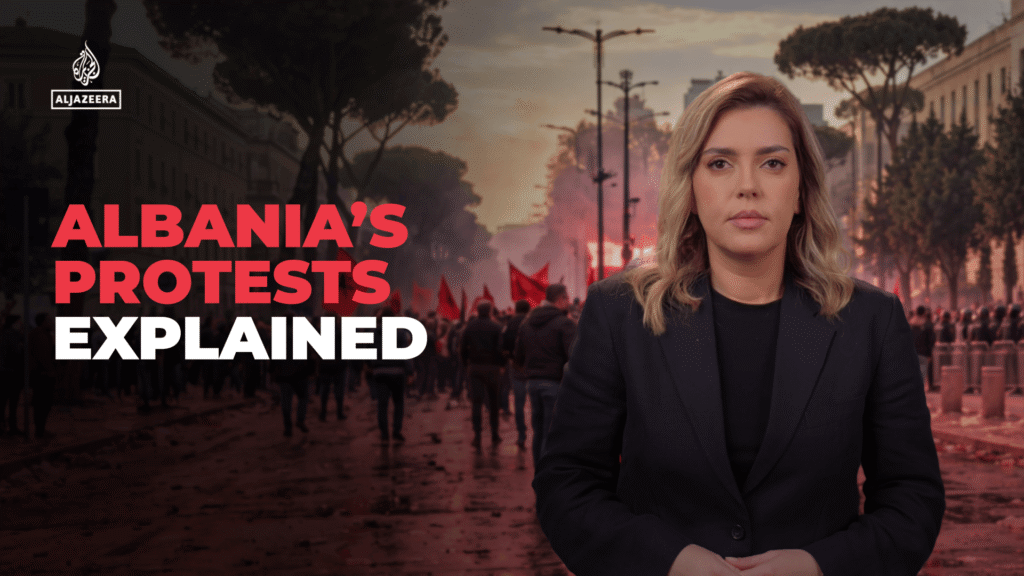
In recent weeks, Albania has witnessed a surge in protests that have captured international attention. Demonstrators have taken to the streets to express their deep dissatisfaction with the current political situation, centering their grievances on Prime Minister Edi Rama’s leadership. The protests, largely fueled by allegations of corruption, economic hardship, and demands for political accountability, have grown in size and intensity.
Prime Minister Edi Rama, however, has remained resolute, rejecting calls for his resignation. His government insists that it remains committed to pursuing reforms and stabilizing the country despite the public unrest. The PM’s refusal to step down has further galvanized protesters, who vow to escalate their demonstrations until their demands are met.
The roots of the protests lie in a combination of economic challenges and a longstanding perception of corruption within the political elite. Many citizens accuse the government of failing to address corruption and weakening democratic institutions. These frustrations have been exacerbated by inflation, unemployment, and declining living standards which have heightened public discontent.
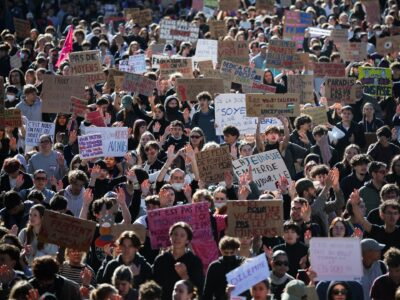
Protesters have organized mass rallies in major cities including the capital, Tirana, drawing thousands. The demonstrations have at times been marked by clashes between protesters and police, leading to injuries and arrests. Despite the tensions, the movement has maintained a broad base of support from various segments of society including students, opposition parties, and civil society organizations.
International observers have expressed concern over the potential impact on Albania’s political stability and its aspirations for European Union integration. The EU has urged dialogue between the government and opposition to resolve the crisis peacefully.
The government has announced some measures aimed at calming the unrest, such as promises to investigate corruption claims and economic relief packages. However, many citizens remain skeptical about the effectiveness of these steps without tangible political changes.
Analysts note that Albania’s protests reflect broader challenges faced by many countries in the region grappling with governance, transparency, and economic development issues. The outcome of this crisis could shape Albania’s political landscape for years to come.
As protests show no signs of abating, the government’s handling of the situation will be crucial. If tensions escalate further, it could lead to greater instability, impacting not only Albania but also the broader Balkan region. Meanwhile, protesters remain determined, signaling a sustained period of unrest in pursuit of their demands for change.
In conclusion, Albania’s protests stem from deep-rooted political and economic concerns, with citizens demanding accountability and reform. The refusal of Prime Minister Edi Rama to resign has intensified the demonstrations, making the situation a defining moment for Albania’s democratic future and its role within European integration efforts.