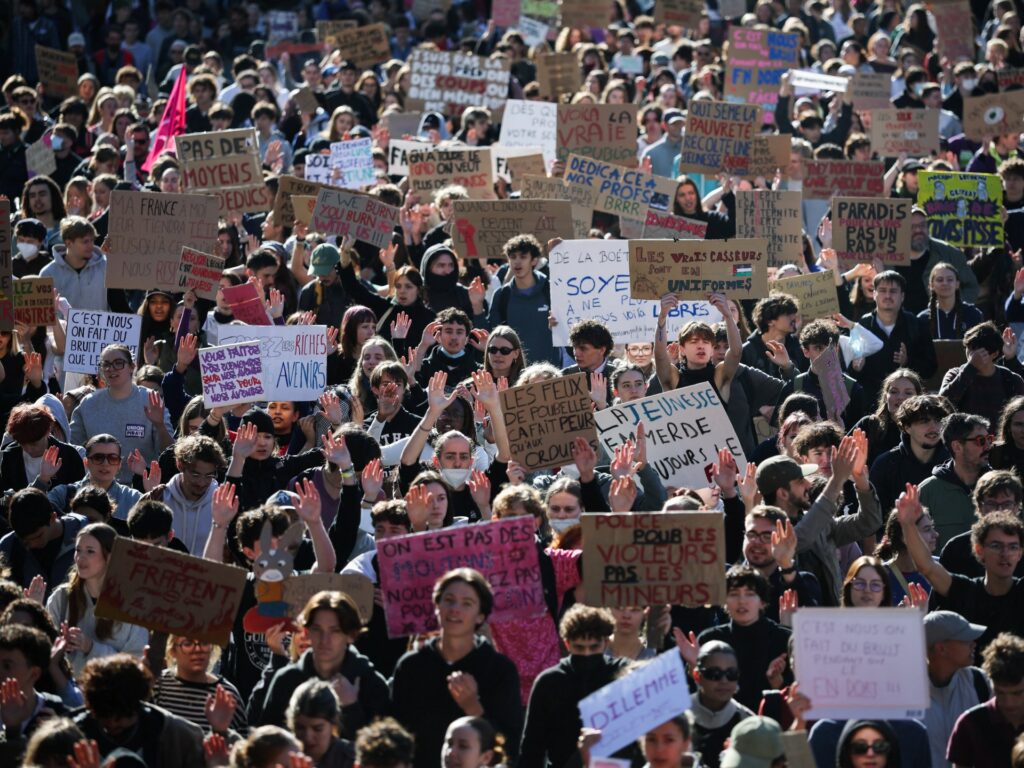
Europe is witnessing a wave of public demonstrations as residents in France, Italy, Spain, and Portugal express growing frustration with rising living expenses. The cost of living in these countries has seen significant increases fueled by various economic pressures, impacting everything from energy bills to food prices.
In France, the rise in inflation and energy costs has deeply affected household budgets. Citizens face higher prices for electricity and gas due to global energy market volatility and regulatory changes. Additionally, food prices have surged, influenced by supply chain disruptions and increased import costs.
Italy has experienced similar trends, with inflation rates pushing up the prices of essentials including housing, utilities, and transportation. The country’s economic recovery post-pandemic has been slower, exacerbating the financial strain on many families.
Spain’s residents are grappling with steep hikes in electricity tariffs and fuel prices. Furthermore, rental prices in major cities have escalated considerably, adding to the cost of living pressures. Government subsidies and measures have only partially alleviated these challenges.
Portugal is also facing escalating costs, particularly in energy and groceries. Although Portugal has implemented some social assistance programs, many citizens report that these efforts fall short amid persistent inflation.
Protests across these nations highlight a common thread — widespread discontent with economic hardship and government responses. Demonstrators call for stronger policy interventions to control inflation and promote affordable living standards.
Overall, the southern European countries of France, Italy, Spain, and Portugal are confronting a challenging economic environment marked by rising costs of everyday living. The social unrest underscores the urgency for coordinated economic strategies to address inflation, stabilize prices, and protect vulnerable populations.