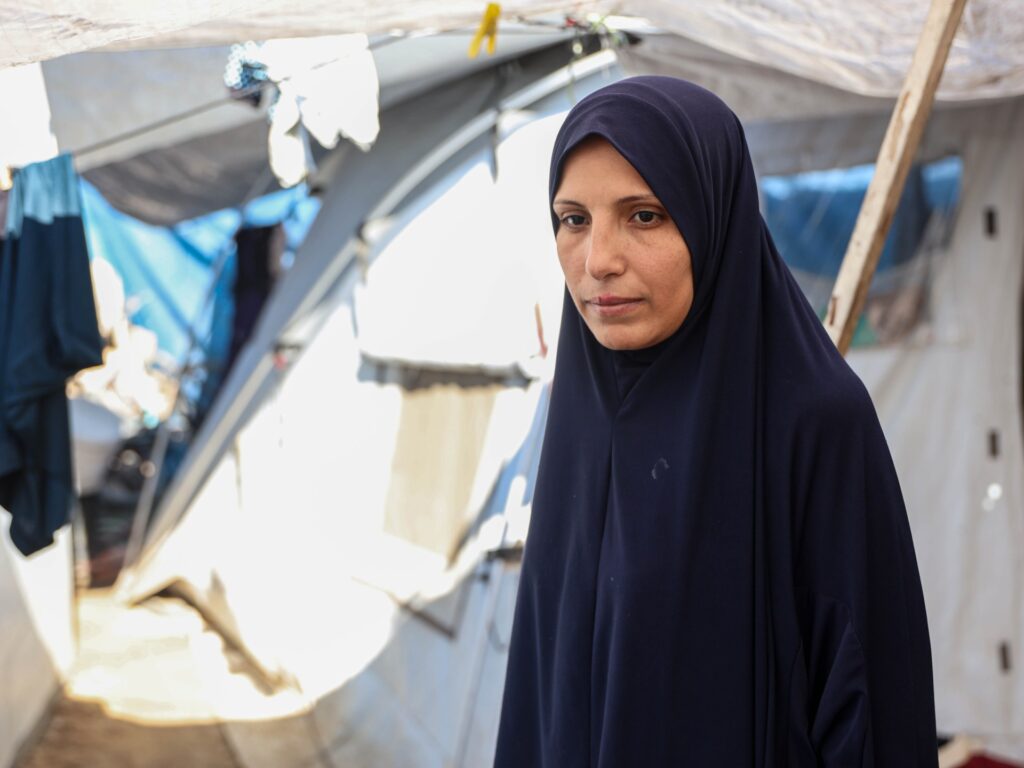
Displaced families in Gaza are facing a dire situation as planned aid cuts coincide with ongoing shipment restrictions, sparking fears of worsening food insecurity in the region. The confluence of reduced humanitarian assistance and the continued blockade has created a critical scenario for many residents, who already struggle with insufficient access to essential resources.
Gaza, a densely populated strip of land, has long been vulnerable due to its geopolitical challenges. The area’s economy is fragile, and many families depend heavily on international aid for their survival. However, recent announcements of aid reduction have sent alarm bells ringing among relief organizations and affected communities alike.
The United Nations and other humanitarian groups have repeatedly called for safe and unrestricted passage of goods into Gaza to meet the basic needs of its population. Despite these appeals, shipment restrictions persist, limiting the inflow of food, medical supplies, and other vital commodities.
As aid programs face financial constraints and logistical hurdles, displaced families who were already grappling with poverty now confront an intensified struggle. Many fear that the combination of aid cuts and shipment restrictions will push food insecurity to unprecedented levels, leading to widespread malnutrition and potential famine.
Local authorities report that markets have seen significant price hikes due to shortages, making it even harder for ordinary civilians to afford basic food items. This economic strain disproportionately affects vulnerable groups, including children, the elderly, and those with pre-existing health conditions.
The international community has been urged to act swiftly to restore aid funding and negotiate the easing of shipment restrictions. Human rights advocates emphasize the imperative to prioritize humanitarian needs over political considerations to prevent a catastrophic human crisis.
Efforts to increase local food production and support community resilience are also being explored, but these measures require time and resources that are currently limited. Humanitarian agencies stress the importance of immediate interventions to safeguard lives and alleviate suffering in the short term.
The situation in Gaza remains precarious as displaced families brace for the impact of these compounding challenges. Without prompt and concerted action, the region may face a deepening humanitarian emergency, underscoring the urgent need for global solidarity and sustained support.