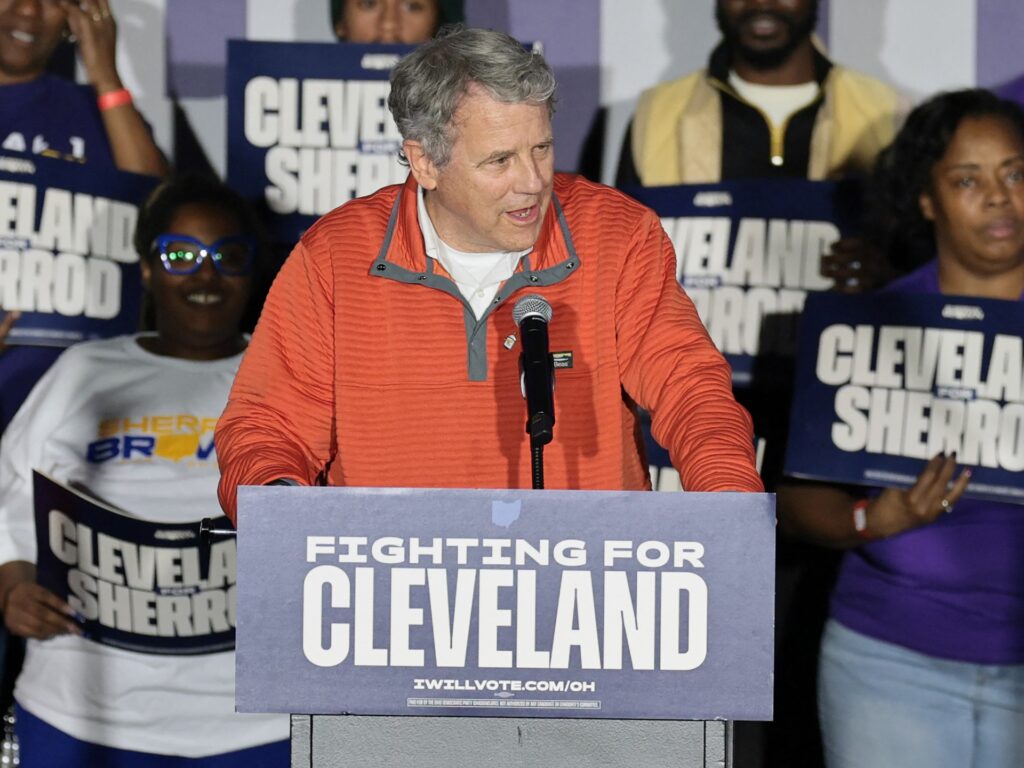
Sherrod Brown, a seasoned Democratic senator from Ohio, has secured a return to the United States Senate in a highly contested election. The race, noted for its intense competition and record-breaking expenditure, saw over $450 million spent, marking it as one of the most expensive elections in the current cycle.
Brown’s victory represents a significant political event for Ohio and the broader national landscape, as the Senate seat is critical in shaping legislative priorities and power balances in Washington. Known for his progressive stance and dedication to working-class issues, Brown managed to galvanize voters across the state despite a challenging political climate.
The election cycle for Ohio’s Senate seat was fiercely competitive, drawing intense attention from both parties and national political entities due to its potential to influence Senate majority control. The massive financial infusion into the contest reflected the high stakes, with political action committees, party organizations, and outside groups channeling resources into campaign advertisements, outreach efforts, and ground operations.
Brown’s campaign emphasized his experience, legislative accomplishments, and commitment to key voter concerns such as healthcare, economic recovery, and labor rights. His opponent, backed heavily by conservative donors, ran a vigorous campaign focusing on fiscal conservatism and law-and-order issues.
Despite the enormous spending and polarizing rhetoric, the electorate ultimately favored Brown, showcasing the effectiveness of his campaign strategy and voter connection. Analysts suggest that Brown’s ability to appeal to both traditional Democratic voters and independents contributed significantly to his success.
This election underscored the escalating costs of modern political campaigns and the crucial role of fundraising capabilities in securing electoral victories. With more than $450 million poured into this single Senate race, questions about campaign finance reform and the influence of money in politics are once again at the forefront of public discourse.
Sherrod Brown’s return to the Senate continues his longstanding career in public service. As he prepares to head back to Washington, attention will focus on how he leverages this mandate to influence key legislation amid a divided Congress. His win also serves as a barometer for Democratic strength in the Midwest amid shifting political dynamics.
Overall, the Brown victory in Ohio’s Senate race highlights the complex intersection of money, strategy, and voter sentiment in shaping today’s political landscape, emphasizing the ongoing challenges candidates face in navigating a financially intense and highly polarized electoral environment.