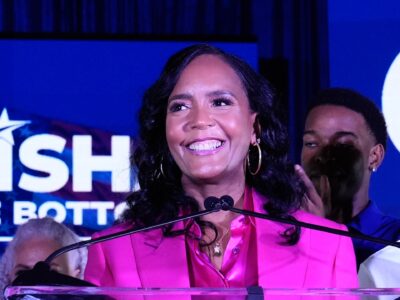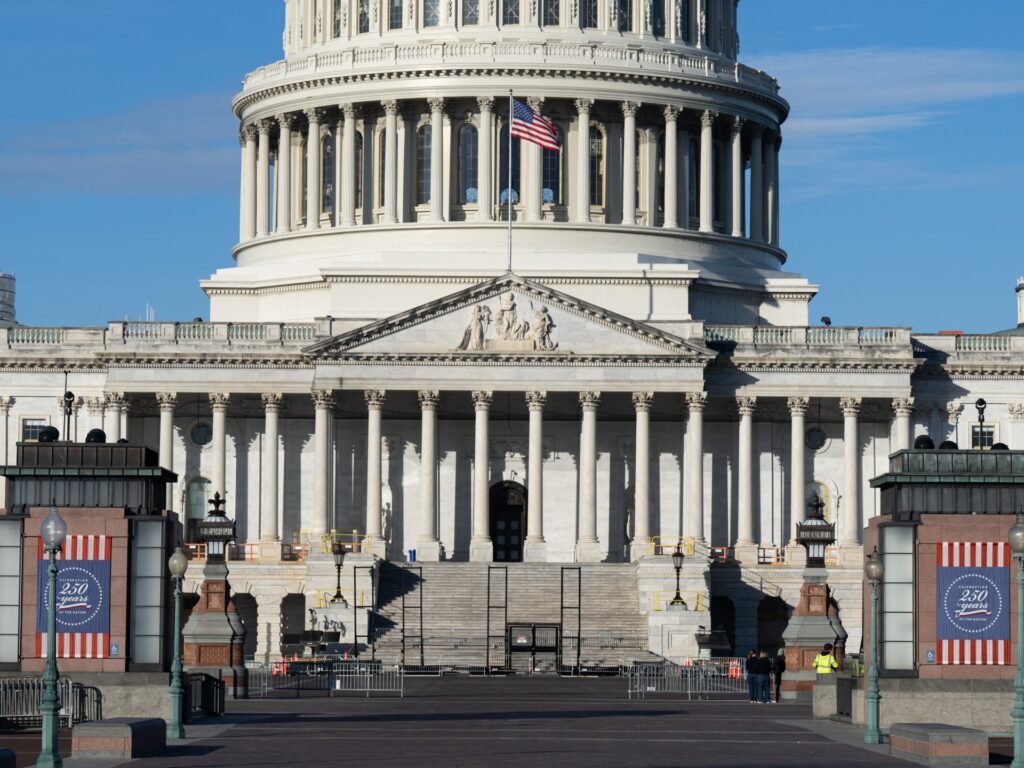
In a stunning political turnaround, the Democratic Party has flipped control of the US Senate in the 2026 midterm elections, reclaiming the upper chamber from the Republican Party. This shift marks a significant change in the balance of power in Washington, D.C., following the Republicans’ takeover of the Senate in the 2024 elections.
The 2026 midterm elections have been closely watched across the nation, viewed as a referendum on the policies and leadership of the Republican Party, particularly under the influence of former President Donald Trump. The Republicans’ control of the Senate since 2024 allowed them to advance their legislative agenda aggressively, but the results from this midterm reflect a growing dissatisfaction among voters.
Democrats campaigned on a platform emphasizing renewed focus on economic recovery, healthcare reform, climate change, and social justice issues, resonating with a broad coalition of voters. Key swing states and battleground districts played a crucial role, with several incumbent Republican senators losing their seats to Democratic challengers.
Political analysts attribute the Democratic victory to a combination of strategic campaigning, increasing voter turnout among young and minority voters, and a backlash against the divisive political climate fostered in recent years. The election outcome signals an appetite for change and a desire for more bipartisan cooperation in Congress.
With control of the Senate regained, Democrats now have enhanced opportunities to advance their legislative priorities and potentially confirm judicial and executive appointments more smoothly. This development also sets the stage for the 2028 presidential elections, with both parties recalibrating strategies amid shifting political dynamics.
The reaction from both sides has been swift and charged. Democratic leaders have expressed optimism and a commitment to unifying the country, while Republican officials have acknowledged the results and pledged to regroup and renew their efforts. Meanwhile, the American public remains sharply divided but hopeful for governance that addresses urgent national challenges.
As the political landscape evolves, the flip of the US Senate control in 2026 will undoubtedly shape legislative efforts, influence policy directions, and impact the broader discourse in American politics for years to come.