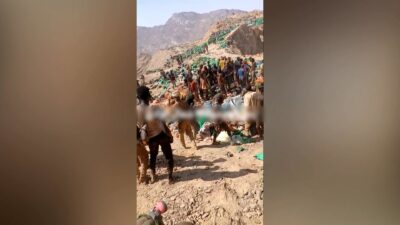
Tensions continue to simmer in the south Lebanon region as two individuals were recently killed near the Israeli-occupied area, despite a ceasefire agreement reached between Israel and Lebanon in June. The ceasefire, intended to halt cross-border violence and foster peace, has unfortunately not stopped the Israeli attacks in the region.
The violence occurred in a densely contested area where Israeli and Lebanese forces have long been at odds. The deaths mark the latest in a string of violent incidents that challenge the fragile stability in the region. The circumstances of the killings have sparked outrage and deepened the divide between the two sides.
Since the ceasefire was implemented in June, sporadic incidents of violence have continued despite efforts from international mediators to ensure compliance with the peace agreement. The Israeli military has maintained a strong presence in the southern borders, citing security concerns related to militant activities emanating from Lebanon.
Local residents in south Lebanon report frequent incursions and airstrikes by the Israeli forces, which have led to casualties and widespread destruction. Many Lebanese civilians live with constant fear and uncertainty, caught amid the ongoing hostilities between the two countries.
International communities and human rights organizations have called for immediate investigations into the killings and urged both parties to adhere strictly to the ceasefire terms. They emphasize the necessity of dialogue and peaceful negotiation to prevent further loss of life and to secure long-term peace and stability in the region.
The Lebanese government has condemned the attacks, accusing Israel of violating the ceasefire agreement and escalating tensions unilaterally. Israeli officials, on the other hand, justify their actions as self-defense measures against hostile elements operating from Lebanese territory.
This recent outbreak of violence underscores the fragility of peace efforts in the volatile Middle East region, where historical grievances and geopolitical complexities continue to fuel conflicts. As diplomatic channels remain fragile, the role of international mediators and peacekeepers becomes ever more critical in managing and resolving such disputes.
Moving forward, all parties involved face the challenging task of respecting ceasefire agreements and engaging in meaningful dialogue to address the root causes of the conflict. The international community watches closely, hoping for a de-escalation of violence and a return to negotiations aimed at lasting peace between Israel and Lebanon.
The tragic loss of life near the Israeli-occupied area in south Lebanon serves as a grim reminder of the ongoing risks faced by civilians and combatants alike in this protracted conflict. Continued vigilance, cooperation, and commitment to peace remain essential to break the cycle of violence that has plagued the region for decades.