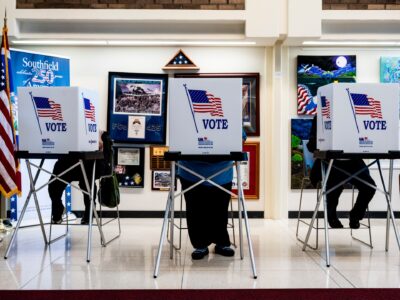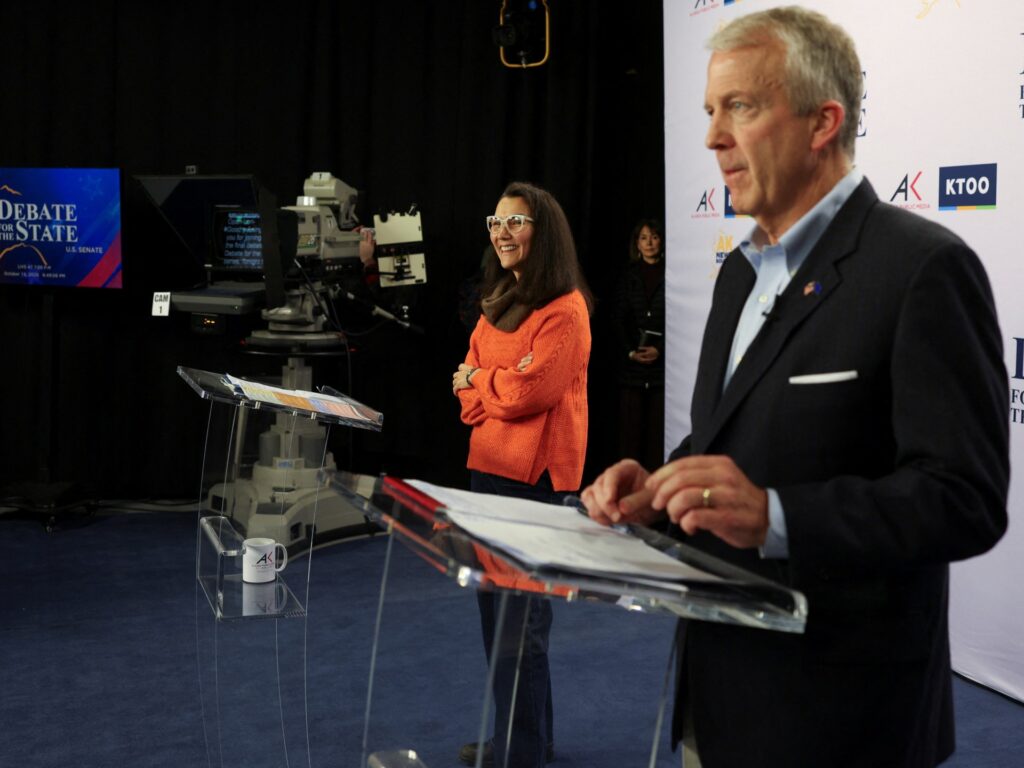
The US Department of Justice (DOJ) has notably expanded its investigation into the recent US Senate election in Alaska, intensifying scrutiny over claims tied to the election’s outcome. The probe primarily focuses on allegations that during the race, Democrats allegedly supported a “spoiler” candidate aimed at undermining the Republican contender.
This expansion follows increasing calls from various political factions, particularly those aligned with the Trump administration, which assert that the Democrats’ strategy involved backing an independent candidate whose primary goal was to siphon votes away from the Republican nominee. The term “spoiler candidate” refers to a contender who is perceived to influence the election results by drawing votes from a major candidate, thereby impacting the overall outcome.
The election in Alaska garnered significant national attention because of its tight competition and the unique dynamics introduced by the state’s recently implemented ranked-choice voting system. Under this system, voters rank candidates in order of preference, which can lead to the redistribution of votes from less popular candidates to others based on those preferences.
Critics from the Republican side argue that the Democratic-backed spoiler candidacy exploited this voting method to sway the election in a way that hurt the Republican contender, Richard Smith (hypothetical name), who had been leading in the polls prior to the final vote count. The independent candidate, who reportedly had minimal campaign presence, nonetheless gathered enough second-choice votes to play a decisive role in the election’s resolution.
The DOJ’s investigation aims to ascertain whether there were any breaches of election laws or illicit activities, including coordination in the backing of the spoiler candidate that may have violated federal election statutes. So far, no formal charges have been announced, but the expanded probe signals the seriousness with which the DOJ views these allegations.
Democrats have denied any wrongdoing, asserting that their involvement with any independent candidate was coincidental and part of regular democratic competition. They maintain that the election’s result reflects the will of Alaska’s voters and the complexities introduced by the ranked-choice voting process.
The Alaska Senate election is a significant political contest, with the winner destined to play a crucial role in the closely divided US Senate. Given the balance of power, both parties have sharpened their legal and political maneuvering to either secure or contest these critical seats.
Election experts note that although spoiler candidates have historically played controversial roles in US politics, the advent of ranked-choice voting has added new dimensions to electoral strategy and legal interpretations. The Alaska case could serve as a precedent for future disputes involving similar allegations.
As the DOJ continues its expanded investigation, the political landscape in Alaska and nationally remains tense, with potential ramifications extending beyond just one Senate race. The outcome may influence how political campaigns are conducted, particularly in states using or considering ranked-choice voting.
Public response is divided, with advocates for election integrity urging transparency and thoroughness in the investigation, while critics caution against premature conclusions that could undermine voter confidence in the democratic process.
The investigation is ongoing, and the DOJ has pledged to provide updates as the situation develops. Meanwhile, the Senate seat remains a focal point for political attention, with both parties preparing for legal and electoral battles ahead.