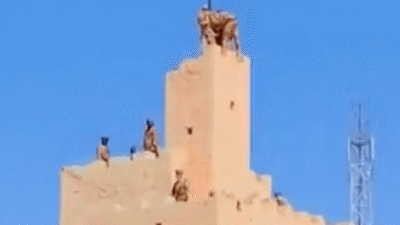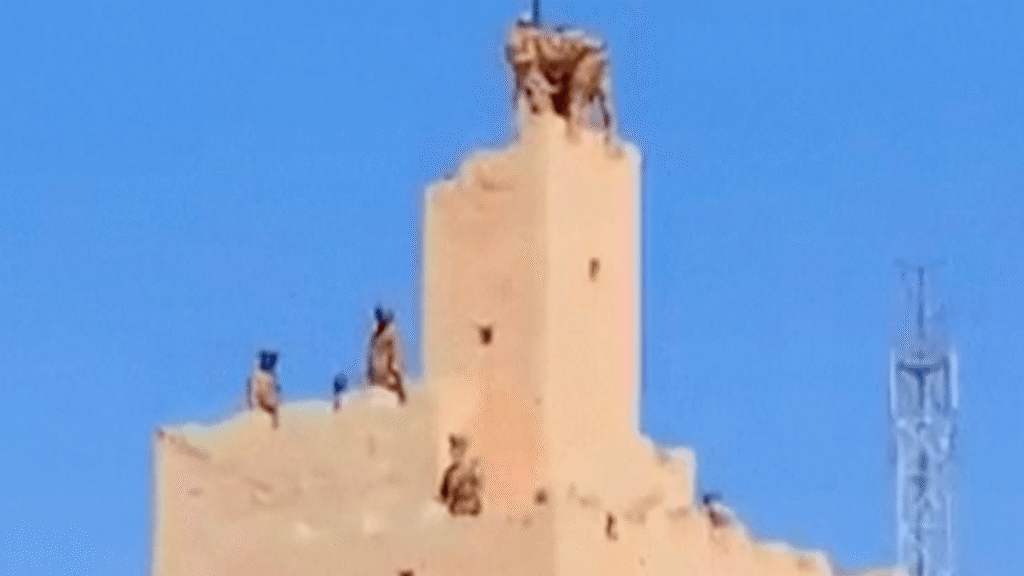
A recently published video appears to show Mali’s armed forces in the northern city of Kidal, reportedly after retaking control of the strategic location. This development is significant as Kidal has been a focal point of conflict and instability in the region, often contested by various armed groups.
Kidal, situated in northern Mali, has historically been a stronghold for Tuareg rebels and other insurgent groups. Its control is crucial for maintaining security and stability in the wider Sahel region, which has been plagued by ongoing violence and terrorism.
The presence of the Malian military in the video indicates a potentially important shift in the control of the city, suggesting the government forces were able to reclaim the area from rebel or militant factions. This move could be part of broader military operations aimed at restoring government authority over northern territories.
Mali has faced significant challenges with insurgency since 2012 when a Tuareg rebellion took control of large portions of the north, before being overtaken by Islamist groups. International efforts, including French military involvement and United Nations peacekeeping missions, have sought to stabilize the region.
The retaking of Kidal, if confirmed, would represent a strategic victory in these ongoing conflicts. However, details about the timeline of the operation, the impact on local civilians, and the current security situation remain limited.
This video has sparked conversations and reactions on social media and among regional analysts, who are closely monitoring the situation. The Malian government has yet to issue an official statement confirming the recapture of Kidal.
The broader implications of this development include potential shifts in power dynamics in northern Mali and the Sahel. Control of key cities like Kidal is essential for the government’s efforts to enforce law and order, protect civilians, and facilitate aid and development.
The security landscape in Mali continues to be complex, with various armed groups vying for influence and ongoing challenges related to governance and international support. The retaking of Kidal may provide momentum for further military actions or negotiations aimed at peace and stability.
As the situation unfolds, international observers and stakeholders remain attentive to how this impacts the fight against insurgency and the humanitarian conditions in the region. Greater clarity is awaited, with updates expected from official Malian sources and international organizations engaged in the area.