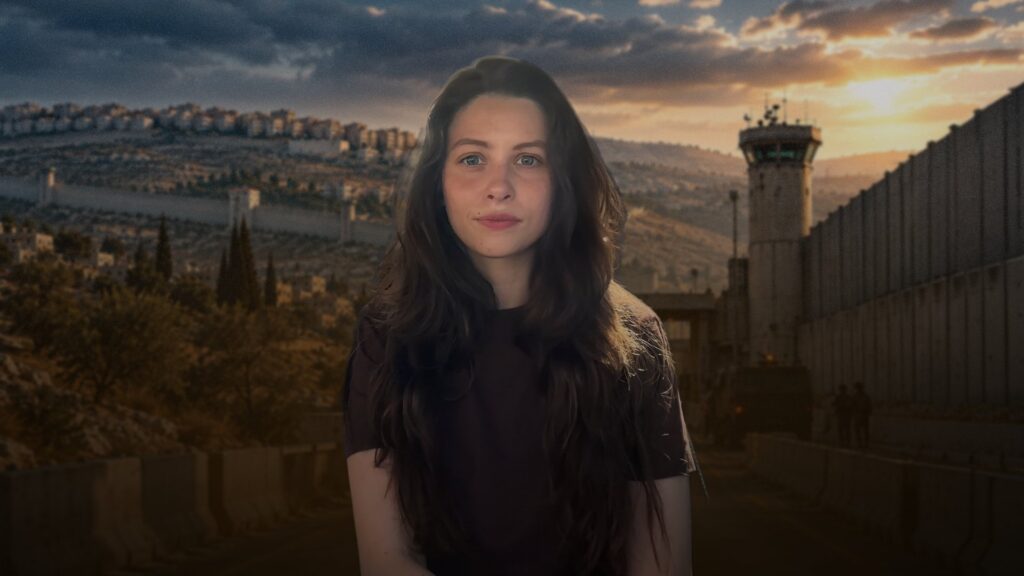
The occupied West Bank, a focal point of the Israeli-Palestinian conflict, presents a profound and troubling scene for Palestinians dreaming of an independent state. As global attention oscillates between diplomatic negotiations and intermittent violence, Palestinians in the region are increasingly voicing a critical question: where exactly is our state meant to go?
The West Bank is a patchwork of Palestinian towns and Israeli settlements, separated by checkpoints, security barriers, and restricted roads. This fragmented geography severely limits the contiguity and viability of a future Palestinian state. Many Palestinians describe their daily reality as one of confinement, not sovereignty—where movement is restricted and access to resources and services is controlled.
The expansion of Israeli settlements continues unabated, with thousands of new housing units approved or under construction in recent years. These settlements, considered illegal under international law by much of the international community, erode the territorial basis for a Palestinian state. Each new settlement or expansion effectively slices the West Bank into smaller, isolated enclaves.
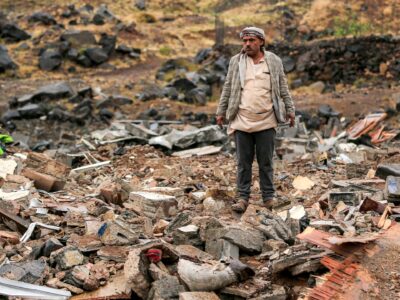
Palestinian communities face challenges such as home demolitions, land confiscation, and lack of building permits. These realities are compounded by a bureaucracy that favors Israeli settlers while Palestinians often struggle to get basic services. The hardships engender a pervasive sense of uncertainty and frustration about the future.
Internationally, the two-state solution remains the leading proposal for resolving the conflict: envisioning an independent Palestinian state alongside Israel. Yet, on the ground, the feasibility of this solution appears increasingly doubtful. The geographical fragmentation caused by settlements and the complex web of control undermine the territorial integrity necessary for statehood.
Palestinians look to world leaders and the international community for a clear stance and decisive action to uphold their rights and aspirations. However, they frequently encounter political inertia and competing geopolitical interests, leaving them in a precarious position.
Activists and analysts warn that without a renewed and sincere commitment to a just political solution, the situation in the West Bank risks further destabilization. Some suggest that the continuous encroachment on Palestinian lands not only jeopardizes the two-state solution but also threatens the possibility of a peaceful coexistence altogether.
Within the West Bank, the social and economic costs of occupation are widely felt. Restrictions impact education, healthcare, and economic development, perpetuating cycles of poverty and dependency. Young Palestinians are particularly affected, facing limited prospects and, in many cases, growing disillusionment.
Despite these adversities, Palestinians persist in their efforts to assert their identity and rights. Cultural, educational, and political initiatives continue to thrive as expressions of resilience and hope.
The question “Where exactly is our state meant to go?” resonates deeply across the Palestinian population. It encapsulates not only a geographic dilemma but also a profound quest for recognition, justice, and dignity.
As the world watches, the road ahead remains uncertain. The path to peace requires more than rhetoric; it demands a committed, equitable, and practical approach that acknowledges the realities on the ground and the aspirations of the Palestinian people. The future of the West Bank, and the realization of Palestinian statehood, hangs in the balance, calling for urgent and thoughtful international engagement.