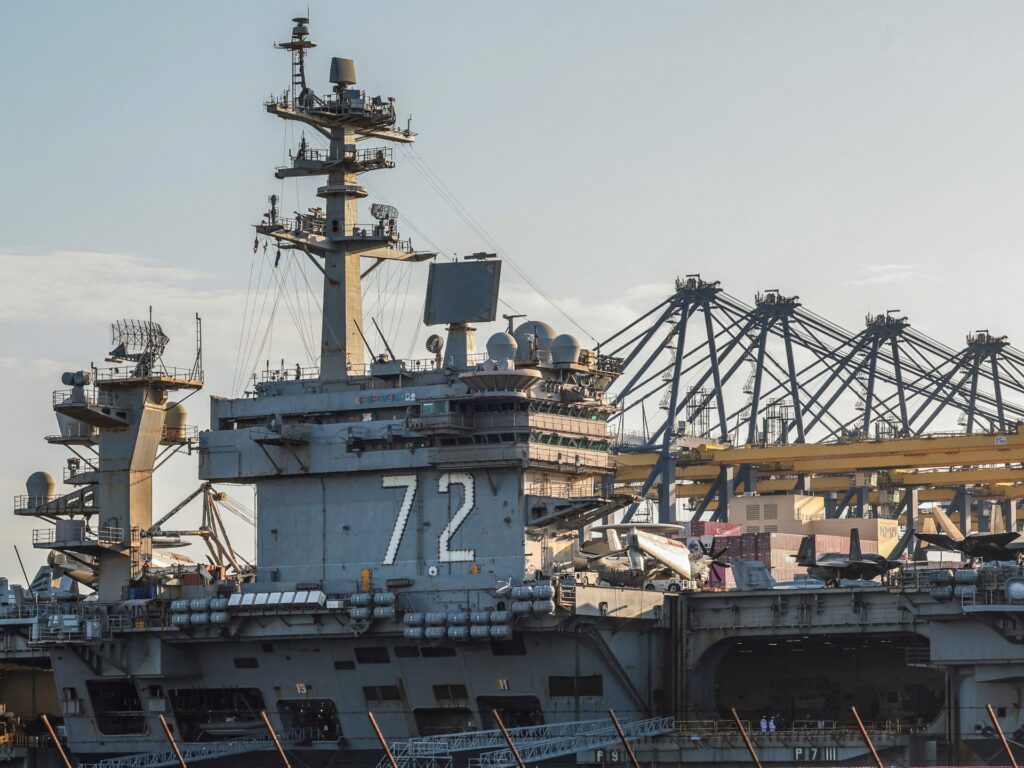
The United States Navy has confirmed that there were eight suicide attempts aboard the aircraft carrier USS Abraham Lincoln during a prolonged deployment at sea. The incident has raised concerns about the mental health and wellbeing of service members during long and isolated missions.
The USS Abraham Lincoln, home to a crew of approximately 5,000 sailors, was deployed at sea for over nine months, enduring an exceptionally long period with only one brief port stop. This extended deployment schedule placed considerable strain on the sailors, limiting their opportunities for respite and interpersonal connections ashore.
Naval officials disclosed that the eight suicide attempts underscore the intense psychological pressures faced by personnel during such protracted deployments. Efforts are reportedly underway to provide enhanced mental health support and suicide prevention programs on board.
Military experts have emphasized the challenges inherent in maintaining crew morale and mental health during extended sea tours. The combination of confined living conditions, limited social interaction, operational stress, and the absence of family support networks can significantly impact the emotional wellbeing of sailors.
The Navy has not disclosed detailed information about the individuals involved in the suicide attempts or the specific circumstances of each incident, respecting privacy and the ongoing nature of any investigations. However, officials have affirmed a strong commitment to addressing mental health challenges through counseling services, crisis intervention teams, and increased access to medical resources.
Families of crew members expressed mixed reactions to the news, highlighting the importance of transparency and support from command structures. The Navy continues to engage with families and advocates to improve mental health services and reduce stigma around seeking help.
This development comes amid a broader recognition across the military of the critical need to prioritize mental health. The Department of Defense has been enhancing programs aimed at suicide prevention, resilience training, and providing resources to service members who may be struggling.
The USS Lincoln’s rigorous schedule reflects the strategic demands placed on aircraft carriers and the U.S. Navy’s commitment to maintaining operational readiness globally. Nonetheless, the incidents have reopened discussions about the sustainability of long-duration deployments without adequate mental health safeguards and opportunities for rest.
In response, the Navy is reportedly reviewing deployment policies, looking to implement changes that better balance mission requirements with the health and morale of sailors. Proposals include more frequent port calls, improved onboard recreational activities, and expanded mental health outreach.
The Navy’s leadership has reiterated its dedication to supporting every sailor and ensuring that mental health is treated with the seriousness it deserves. The well-being of service members remains a top priority as the Navy navigates the complexities of modern military operations.
In conclusion, the reported eight suicide attempts on the USS Lincoln during an unprecedented deployment highlight urgent challenges within the Navy related to mental health and wellbeing. These incidents serve as a call to action to improve support systems, increase awareness, and foster an environment where seeking help is encouraged and stigma minimized. Moving forward, the lessons learned from this experience will be vital in shaping policies to protect the lives and health of those who serve at sea.