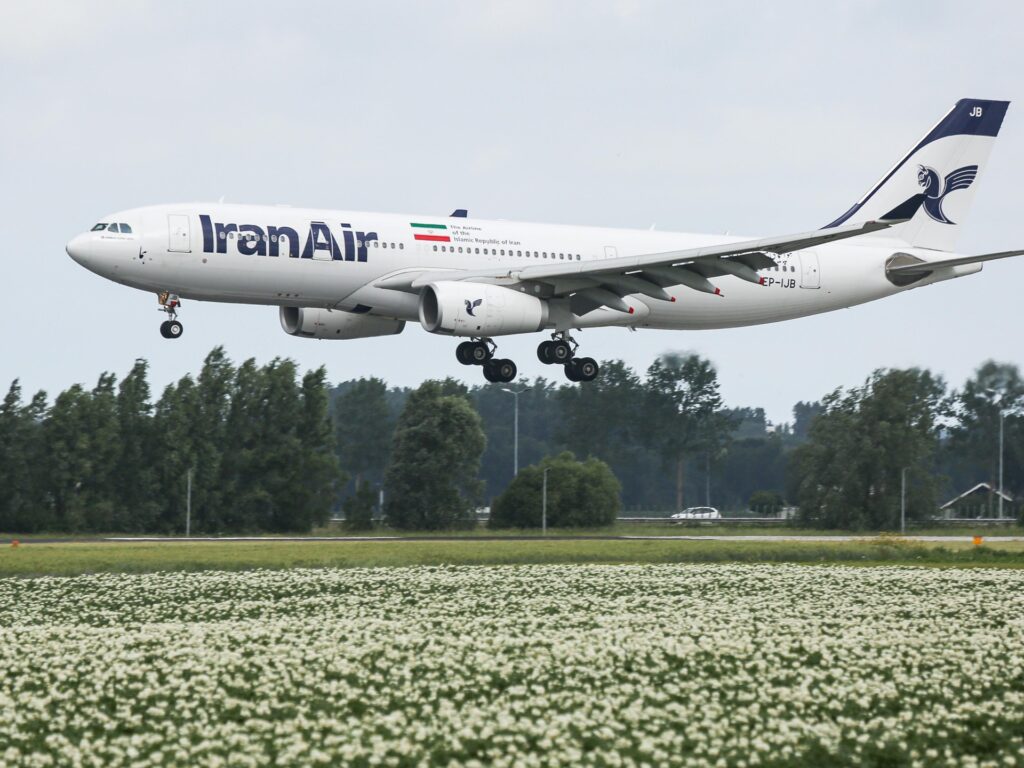
In recent developments, Iran has escalated tensions in the region by threatening to target regional airports following the suspension of Iranian flights by neighboring countries Georgia and Azerbaijan. These suspensions come amid intensified US sanctions aimed at restricting Iranian airlines, a move Tehran perceives as an act of aggression against its sovereignty and economic interests.
The suspension of Iranian flights by Georgia and Azerbaijan is interconnected with the broader geopolitical pressure exerted by the United States. Washington’s sanctions aim to isolate Iran’s civil aviation sector, impacting the national carriers and their ability to operate internationally. These sanctions have prompted regional states to align their aviation policies accordingly, leading to strained relations.
Iran’s threats appear as a strategic response to these measures. Tehran has hinted at retaliatory actions that could involve targeting key regional airports, which would escalate the conflict beyond economic sanctions to potential security threats. While the exact nature of the threats remains unspecified, the implications for aviation security and regional stability are significant.
The impact of such threats on regional airports could be profound. Airports serve as critical infrastructure for commerce, travel, and security, and any disruption could affect not only the countries involved but also international air traffic in the broader region. The potential for increased security measures, flight route disruptions, and heightened military alertness could cascade into economic repercussions for airlines and associated industries.
Furthermore, the escalation threatens to deepen the isolation of Iran, as its neighbors might reinforce restrictions on Iranian air traffic and expand cooperation with Western sanctions regimes. This scenario risks increasing regional polarization and reducing opportunities for diplomatic engagement.
In summary, Iran’s threats against regional airports are a direct reaction to the suspension of its flights by Georgia and Azerbaijan, themselves influenced by US sanctions. The situation poses potential risks for regional aviation security, economic stability, and the geopolitical landscape, underscoring the complex interplay of international sanctions, regional alliances, and security concerns in the area.