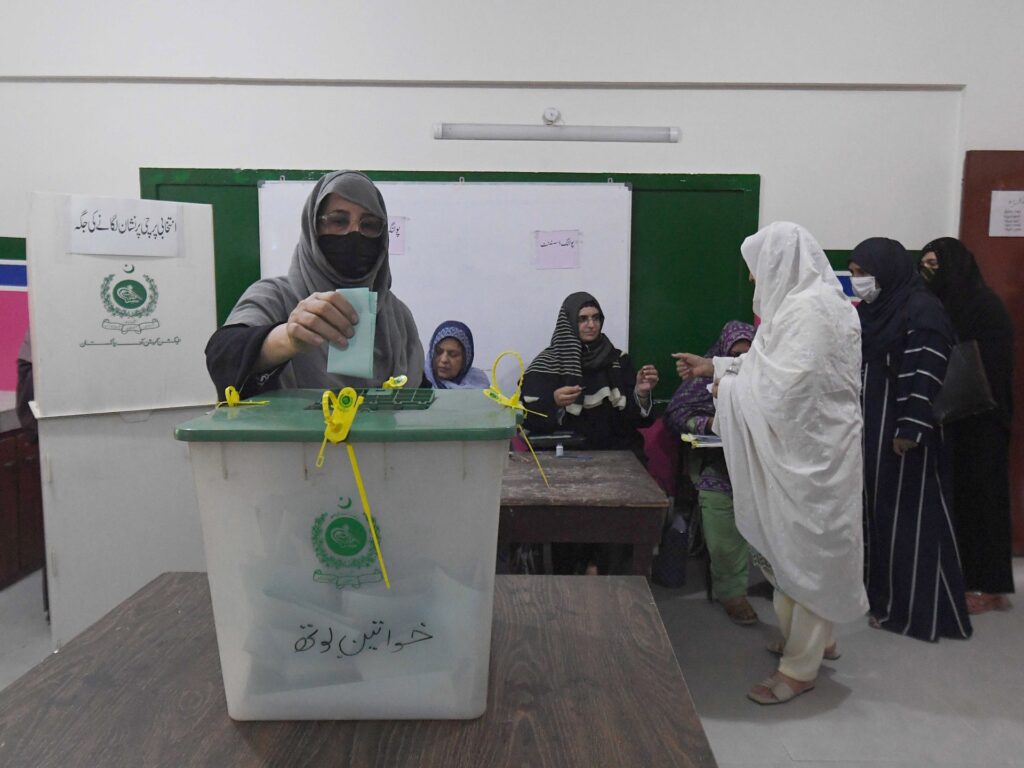
The region of Pakistan-administered Kashmir is currently amid a significant political event as lawmakers convene to elect a new president. This election, however, is taking place against a backdrop of ongoing unrest that has persisted for months. In a notable challenge to the democratic process, seven key assembly seats remain vacant—seats that represent districts at the epicenter of the turmoil. Despite these vacancies, the legislative body is moving forward to choose a president, underscoring the urgency or necessity perceived by political leaders to maintain governance structures during this critical period. The situation highlights the complexities of conducting electoral activities in regions facing security and political instability. Voter participation and engagement remain a concern amid the unrest, and the outcome of this election could significantly impact the political landscape and stability of Pakistan-administered Kashmir. Observers and stakeholders within the region and beyond are closely monitoring the developments to gauge how this leadership transition might influence ongoing efforts to restore calm and address the underlying issues driving the unrest. The vote therefore is not only a routine political exercise but a crucial moment that could shape the region’s future direction in governance and peacebuilding.