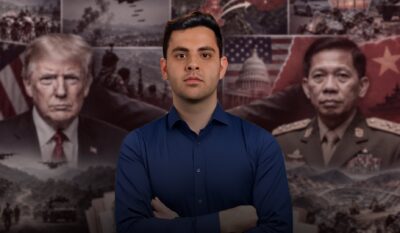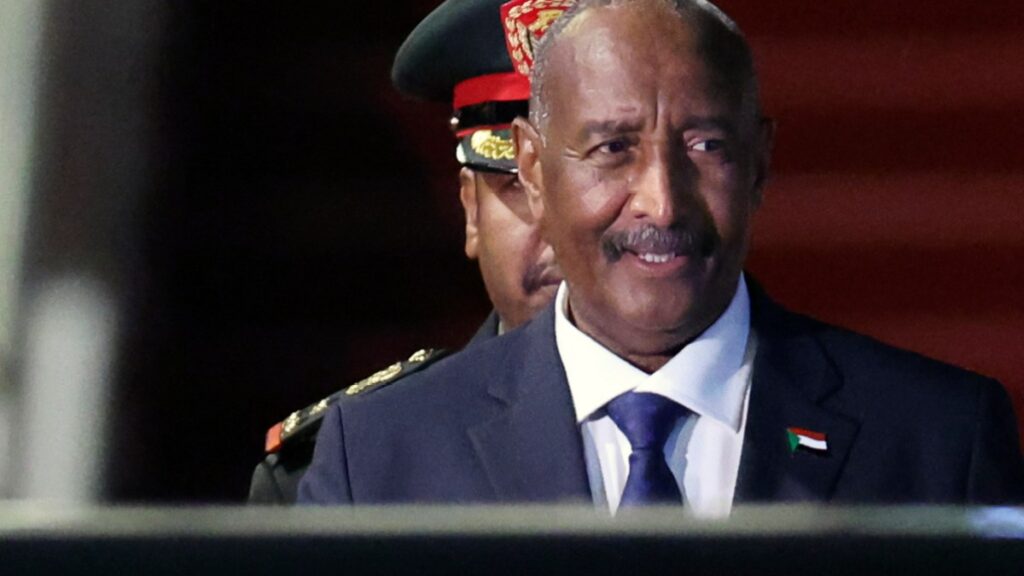
The ongoing conflict in Sudan has taken a controversial turn as reports emerge that the United States has withheld the UN visa of General Abdel Fattah al-Burhan, the head of Sudan’s military. According to various media sources, this move aims to pressure al-Burhan into accepting a 90-day truce amidst the escalating civil war affecting the country.
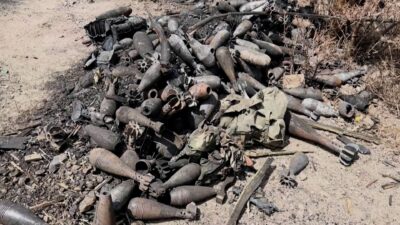
Sudan has been embroiled in a violent civil conflict that has severely impacted its civilian population and destabilized the region. The international community has called for ceasefires to allow humanitarian aid and peace negotiations to proceed, with the US playing a significant diplomatic role.
General Abdel Fattah al-Burhan, as the leader of the Sudanese Armed Forces and a key figure in the transitional government, has been a central player in efforts to resolve the conflict. The reported withholding of his UN visa is seen as a strategic move by the US to exert leverage and encourage his participation in ceasefire talks.
This development has sparked significant outcry within Sudan and beyond. Many Sudanese citizens and political factions view the visa withholding as an infringement on Sudanese sovereignty and an external attempt to influence the nation’s internal matters. Critics argue that coercive diplomatic tactics may further complicate peace efforts rather than facilitate them.
International organizations have expressed concern about the impacts of continued conflict on civilians, emphasizing the urgency of a truce. They highlight that a 90-day ceasefire could provide a vital window for humanitarian aid, civilian evacuations, and negotiations toward a lasting resolution.
The US government, however, has not officially confirmed the specifics of visa sanctions but has reiterated its support for efforts to establish a ceasefire and negotiate peace in Sudan. Diplomatic sources suggest that these measures are part of broader sanctions and diplomatic strategies aimed at deterring violence and human rights abuses in the region.
Sudan’s transitional government is in a delicate phase as internal factions and external pressures create a complex situation. While some leaders advocate for direct negotiations and political dialogue, others prioritize military strength and control, complicating consensus on ceasefire agreements.
The clash has drawn attention to the role of international diplomacy in conflict resolution, raising questions about the balance between respecting national sovereignty and applying pressure to halt violence. The effectiveness of visa sanctions as a tool remains debated among experts and policymakers.
As the situation evolves, diplomacy continues to be critical. The international community watches closely, urging all parties to prioritize peace and the well-being of Sudan’s population. The coming days are expected to be pivotal in determining whether General al-Burhan and other leaders agree to the proposed 90-day truce and move towards sustainable peace.
In summary, the reported US decision to withhold General al-Burhan’s UN visa has intensified the political and diplomatic tensions surrounding Sudan’s civil war. The hope remains that this pressure tactic will lead to meaningful negotiations, a halt to violence, and ultimately security and stability for the Sudanese people.