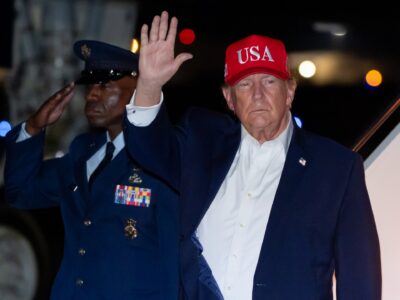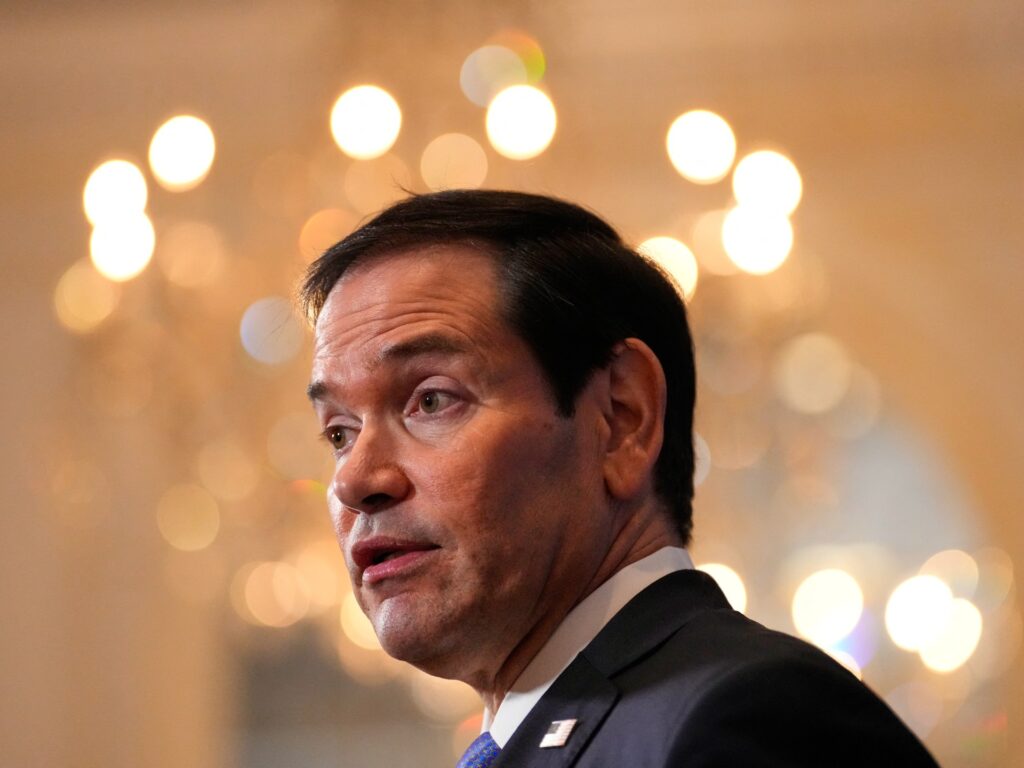
The United States has expressed its openness to engage in talks with Cuba, contingent upon a change in the Cuban government. This stance was articulated by Senator Marco Rubio in the aftermath of a notable incident at the United Nations where former President Donald Trump labeled Cuba as a “failed state.”
Trump’s characterization of Cuba at the UN General Assembly sparked a dramatic response from the Cuban delegation, which promptly walked out of the session. The remarks underscored the tense relations between the US and Cuba, highlighting the longstanding political and ideological divide.
Rubio’s comments further signaled a hardline approach, emphasizing that diplomatic engagement would only be viable if there were significant political reforms or a complete government change in Cuba. This position aligns with a faction of US policymakers who advocate for stringent measures against the Cuban regime, often citing human rights issues and lack of democratic freedoms as justification.
The US-Cuba relationship has been historically complex, marked by decades of embargoes, political isolation, and intermittent diplomatic efforts. The recent developments at the UN signal a potential tightening of US policy towards Cuba, reversing some of the previous administration’s attempts at rapprochement.
This announcement comes amidst growing international scrutiny on Cuba’s political and economic conditions, with many activists and governments calling for reforms. The Cuban government’s response to these calls has typically been dismissive, maintaining its stance against external interference.
The walkout by the Cuban delegation at the UN was not just a protest against the “failed state” label but also a demonstration of Cuba’s resistance to what it perceives as US aggression. It reflects the broader geopolitical tension in the region, where Cuba remains a key player.
Analysts suggest that the US position could either push Cuba towards reform or deepen the divide, further isolating the island nation. The effectiveness of such a policy is debated, given Cuba’s historical resilience in the face of US sanctions and diplomatic pressure.
International observers are closely monitoring the situation, as changes in US-Cuba relations can have significant implications for regional stability and US relations with other Latin American countries.
The call for a government change in Cuba by US officials is unprecedented in recent years and raises questions about the future of diplomatic negotiations. It also places added pressure on the Cuban government to either open up politically or brace for continued isolation.
While the US remains open to dialogue, it is clear that any engagement would come with non-negotiable preconditions that challenge the current Cuban political structure. The Cuban public, meanwhile, watches keenly as these international dynamics unfold, impacting their country’s prospects for reform and economic improvement.
In summary, the US has reaffirmed its stance of openness to talks with Cuba, hinging on the premise of a governmental change, following the fallout from Trump’s declaration of Cuba as a “failed state” at the UN. This development represents a significant moment in the ongoing saga of US-Cuba relations, with potential ripple effects across diplomatic and geopolitical spheres.