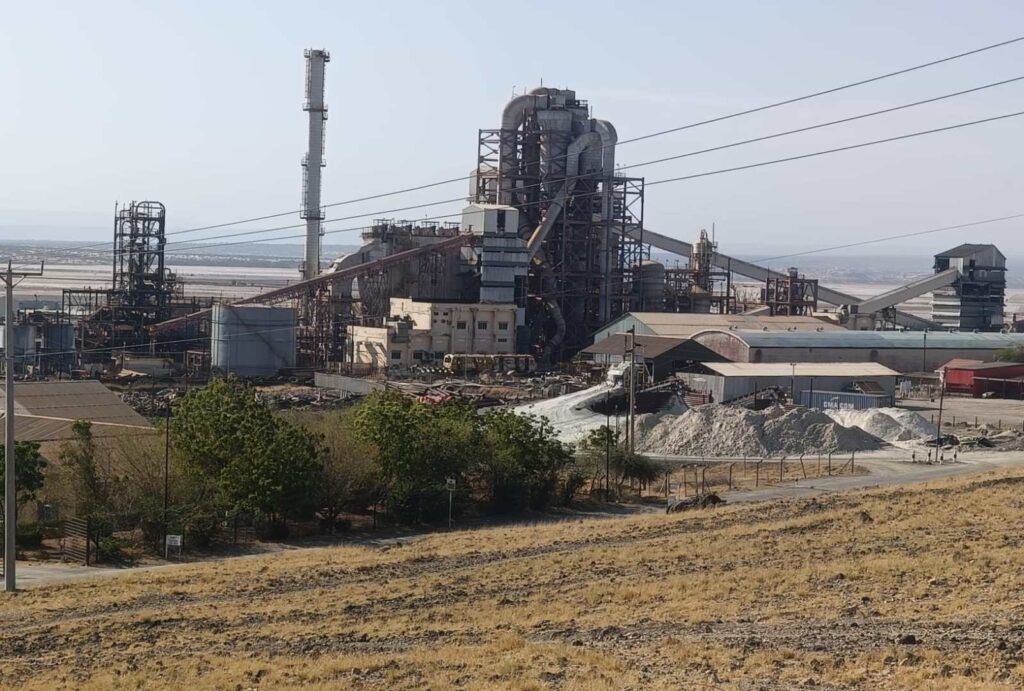
Kenya is witnessing a rising tide of discontent towards Tata Chemicals, specifically its operations in Magadi, where the company has had a significant presence for nearly a century. Tata Chemicals Magadi Ltd, known for being one of the oldest industrial installations in Kenya, primarily produces soda ash, a vital ingredient used in numerous industries from glass manufacturing to detergents. Despite its longstanding role in the local and national economy, multiple factors have recently fueled a growing backlash against the company.
At the heart of the opposition are issues surrounding regulation, job creation, and the equitable distribution of economic benefits to the local communities. Critics argue that Tata Chemicals has not adapted sufficiently to evolving environmental and social governance standards, with concerns raised about the environmental impact of its operations. These worries have prompted calls for stricter regulations to ensure sustainable and responsible industrial activities.
On the employment front, the company is under scrutiny for its labor practices. While it remains a significant employer in the Magadi area, some community members and labor groups feel that Tata Chemicals has not adequately supported the local workforce, particularly in terms of job security, wage fairness, and investment in skills development. There is a perception that the company could be doing more to empower local employees and to contribute more robustly to economic growth in the region.
Moreover, a fundamental point of contention is the distribution of local benefits derived from the company’s operations. Residents and local leaders have demanded greater transparency and a bigger share of the profits to support community development projects such as education, healthcare, and infrastructure. This demand reflects a broader trend in Kenya and other parts of Africa, where communities hosting large industrial operations seek tangible and direct returns on the natural resources and economic opportunities in their regions.
The situation in Magadi represents a broader reckoning faced by long-established industries worldwide, where historical economic contributions are increasingly weighed against contemporary expectations of corporate responsibility, environmental stewardship, and social equity. Kenya’s government is under pressure to balance its economic interests with the legitimate concerns of its citizens, and this has led to calls for renegotiation of operating licenses and closer oversight.
In response, Tata Chemicals has communicated its commitment to sustainability and community engagement, emphasizing projects aimed at improving environmental performance and boosting local livelihoods. Nonetheless, the ongoing controversy highlights the complex challenges facing multinational corporations operating in developing economies amidst rising demands for transparency, regulatory compliance, and fair local involvement.
As the dialogue between government authorities, Tata Chemicals, and community stakeholders continues, the unfolding scenario in Magadi will likely serve as a critical case study for how resource-based industries can navigate the dual imperatives of economic viability and social responsibility in the 21st century.