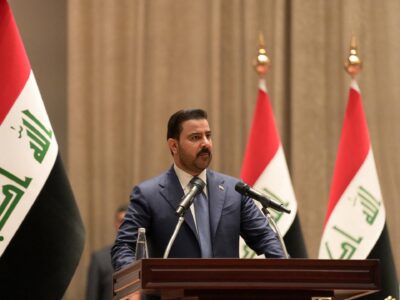
In a dramatic session at the United Nations, world leaders collectively condemned Israel, highlighting escalating tensions and conflicts in the occupied West Bank. The UN assembly underscored widespread international concern over Israel’s recent actions, particularly regarding the ongoing settler violence and controversial prison visit bans imposed on Palestinians.
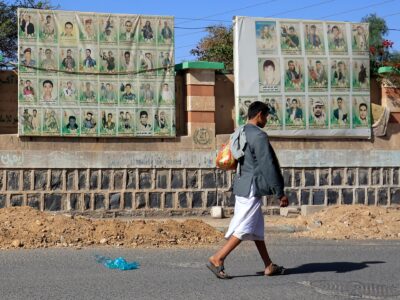
The situation in the West Bank remains volatile as Palestinian communities have taken to the streets in protest against Israel’s prison visit restrictions. These bans have significantly hindered family members’ ability to visit incarcerated relatives, escalating frustration and unrest within Palestinian society.
Concurrently, settler violence has surged, with reports of pogroms—organized violent attacks—against Palestinian civilians in various West Bank localities. These attacks have resulted in considerable property damage and injury, further deepening the humanitarian crisis in the region.
The United Nations’ condemnation reflects broader international alarm over these developments. Delegates emphasized the urgent need for de-escalation, the protection of Palestinian rights, and the pursuit of peaceful negotiations to resolve the enduring conflict.
This condemnation has also reignited debates over Israel’s settlement policies and their impact on the peace process. Several member states advocated for stronger actions to hold perpetrators accountable and to safeguard the rights and dignity of Palestinian residents.
Palestinian leaders welcomed the UN condemnation but stressed that real change requires tangible actions on the ground. They have called for increased international pressure on Israel to reverse stringent policies and halt further settlement expansion.
The protests and violence underscore the fragile nature of the region’s peace and the complexities involved in the Israeli-Palestinian conflict. Human rights organizations have echoed calls for immediate cessation of violence and respect for international law.
As the global community watches closely, the ongoing unrest in the West Bank and the developments at the United Nations highlight the urgent need for renewed dialogue and commitment to finding a lasting resolution to one of the world’s most protracted conflicts.
This recent wave of condemnation by world leaders at the UN signals a pivotal moment, potentially influencing future diplomatic engagements and peacebuilding efforts in the Middle East.