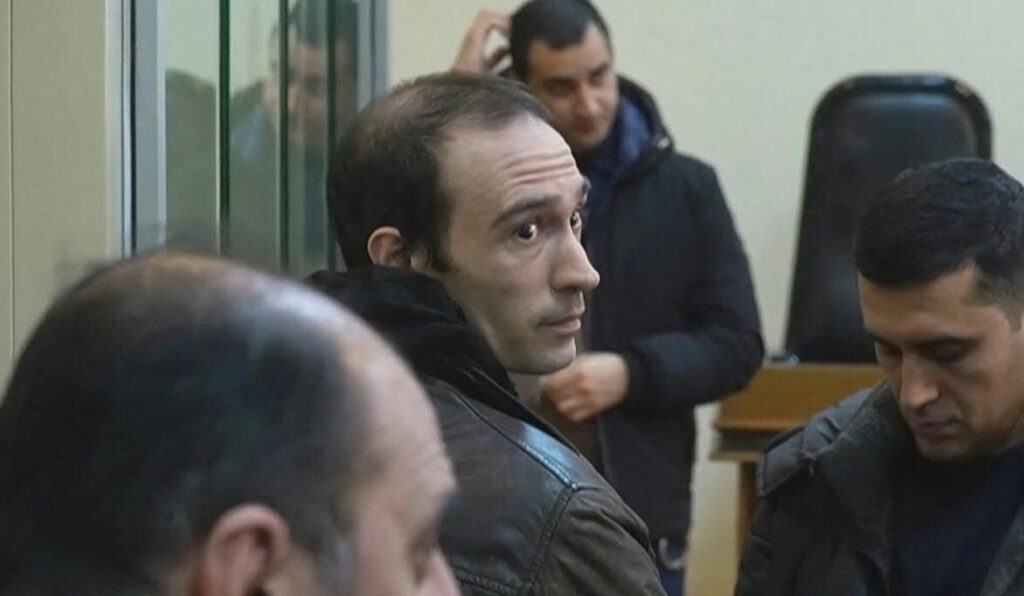
In a significant diplomatic development, Azerbaijan has pardoned a French national who was previously jailed on charges of espionage. This gesture comes shortly after the European Union lifted sanctions on certain oligarchs, a move that diplomats suggest was influenced by pressure from Baku.
The French individual had been detained by Azerbaijani authorities on allegations of spying, a charge that escalated tensions between France and Azerbaijan. The pardon signifies a potential thaw in relations and is seen as a strategic step by Azerbaijan to improve ties with the European Union.
The EU’s decision to lift sanctions on specific oligarchs linked to Azerbaijan was met with mixed reactions. While some viewed it as a pragmatic approach to engage with the country, others criticized it as yielding to political pressure rather than upholding strict standards against corruption and undue influence.
Diplomatic sources indicate that Azerbaijan exerted considerable influence behind the scenes to encourage the EU to reconsider its stance on sanctions. The timing of the pardon closely following the sanctions lift suggests a coordinated effort to foster goodwill and possibly open new avenues for economic and political cooperation.
Experts note that Azerbaijan’s strategic importance, particularly in the energy sector and its role in regional stability, plays a critical role in the EU’s calculus. The country has been eager to attract investment and strengthen its international standing, and such high-profile pardons help pave the way.
The French government has welcomed the release of its citizen and expressed hope that this development will lead to improved bilateral relations. French officials have also highlighted the importance of continued dialogue and cooperation on security and intelligence matters to prevent future misunderstandings.
Meanwhile, human rights organizations have cautiously acknowledged the pardon but urge ongoing scrutiny of Azerbaijan’s legal and judicial practices. They stress that pardons should not overshadow the need for transparent and fair legal processes.
This episode underscores the complex interplay of diplomacy, sanctions, and international law in the contemporary geopolitical landscape. It also highlights how states leverage legal and political mechanisms to advance their interests and navigate international norms.
As relations between Azerbaijan and the EU enter a new phase, observers will closely watch the implications for regional politics, human rights, and the broader geopolitical environment. The pardon of the French national is a significant milestone that may herald further diplomatic engagements and realignments in the Caucasus region.