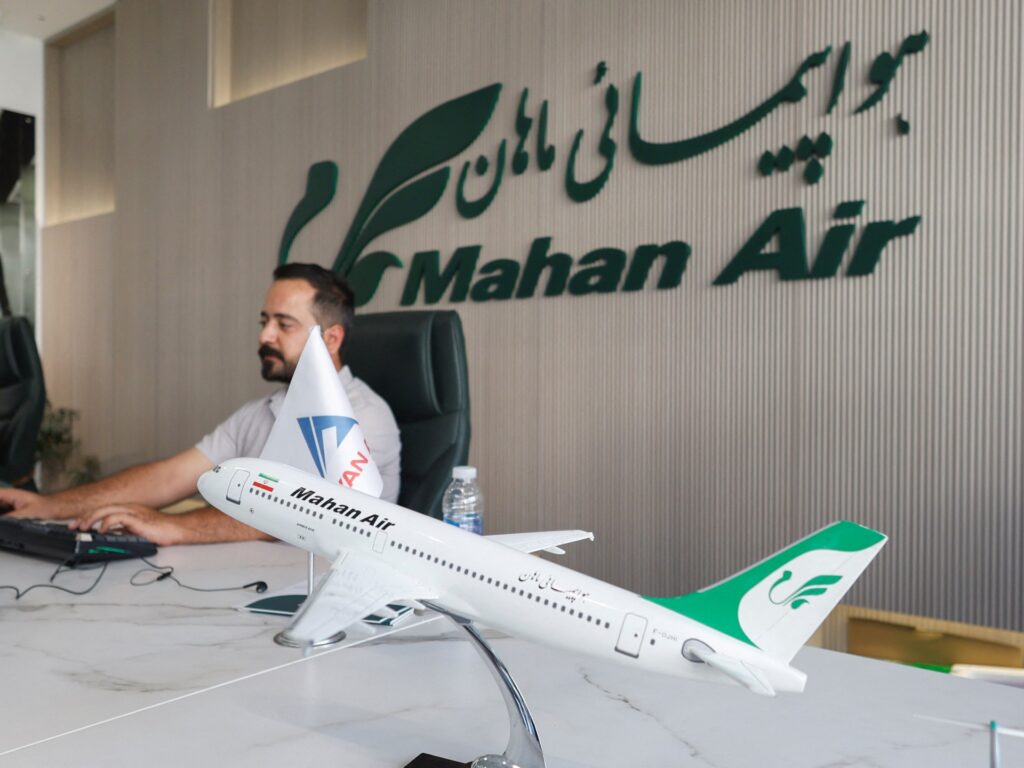
Iran has recently announced the cancellation of flights to Baghdad, Iraq, and Muscat, Oman, amidst growing concerns over impending US aviation sanctions. This move comes as a direct response to anticipated restrictions that the United States is set to impose on Iranian carriers, further complicating the already tense geopolitical situation seven months into the ongoing conflict in the region.
The US administration, under the leadership of key officials including Bessent, is targeting Iranian aviation sectors as part of a broader strategy to apply economic and political pressure. This approach aims to curb Iran’s activities and influence in neighboring countries, including Iraq and Oman, which have historically maintained complex relationships with Tehran.
Iran’s aviation officials have been actively engaged in negotiations with their counterparts in Oman and Iraq to discuss the ramifications of the sanctions and to explore potential diplomatic solutions to maintain essential air connectivity. These discussions underscore the significance of air travel routes between Iran and these nations, which serve not only economic purposes but also have strategic importance in the region.
The cancellation of flights signifies a significant disruption for travelers and businesses relying on these routes. It highlights the broader impact of international sanctions on civil aviation and the challenges airlines face when caught in geopolitical conflicts. Passenger safety, operational viability, and compliance with international laws are pressing concerns for Iranian carriers as they navigate this new landscape.
Furthermore, this development reflects the intensifying nature of the conflict in the Middle East, where airspace and aviation have become pivotal arenas for both diplomatic maneuvering and strategic enforcement of sanctions. The seven-month duration of the conflict has seen fluctuating tensions, but the introduction of aviation sanctions marks a new phase that could alter the dynamics of regional air travel and commerce.
Experts suggest that Iran’s decision to cancel flights temporarily could be a strategic move to mitigate the effects of sanctions while seeking alternative routes or agreements that could preserve some level of connectivity. However, the economic consequences for the airlines and the broader aviation sector in Iran could be significant if sanctions are fully implemented and prolonged.
In addition to the immediate inconvenience caused by flight cancellations, there are broader implications for regional cooperation and stability. Air links between countries like Iran, Iraq, and Oman are instrumental in facilitating political dialogue, trade, and cultural exchange. Disruptions to these air services may therefore exacerbate tensions and reduce avenues for peaceful interaction.
The international community is closely monitoring the situation, as the sanctions and flight cancellations add another layer of complexity to an already volatile regional conflict. Diplomatic efforts will likely continue in parallel with these developments, aiming to find resolutions that can prevent further escalation and support regional stability.
As the situation evolves, airlines, passengers, and governments will need to adapt to the new realities imposed by sanctions and geopolitical pressures. The coming months will be crucial in determining whether these disruptions are temporary or mark the beginning of a more extended period of isolation for Iran’s aviation sector in the international arena.
This scenario serves as a vivid example of how civil aviation is increasingly intertwined with global politics and security considerations. It highlights the vulnerability of international air travel to geopolitical tensions and the far-reaching effects that such sanctions can have beyond their immediate economic targets.
In conclusion, Iran’s cancellation of flights to Baghdad and Muscat amidst US aviation sanctions represents a significant development in the ongoing Middle Eastern conflict. It underscores the complex interplay between aviation, diplomacy, and sanctions, and signals a challenging period ahead for Iran’s connectivity with its neighbors. The outcome of negotiations and international responses will play a vital role in shaping the future of regional air travel and political relations.