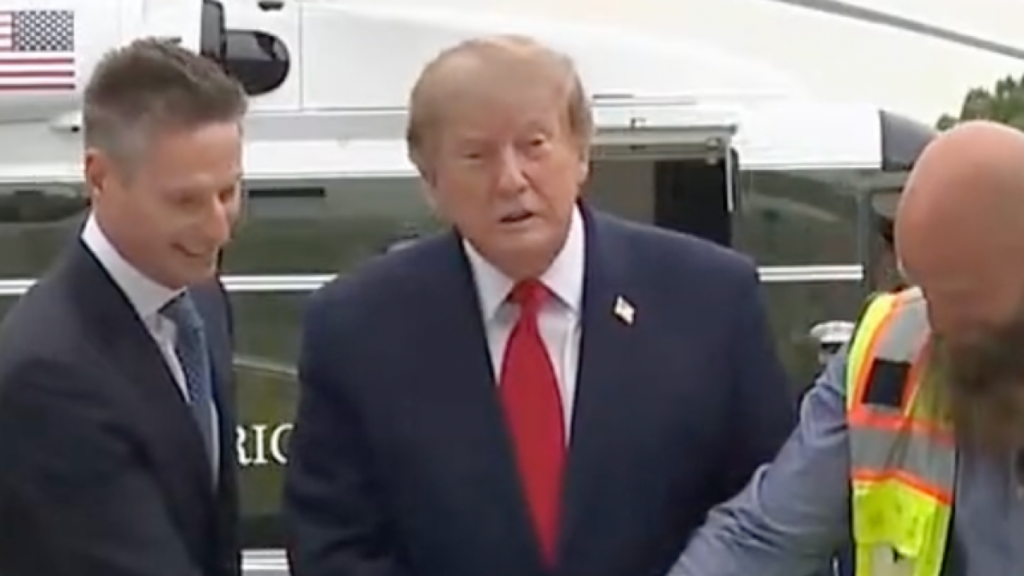
In a notable display of dissent, major US television networks boycotted a White House event where President Donald Trump unveiled a new helicopter pad. The protest by the networks resulted in the president’s speech being largely inaudible to millions of viewers across the country.
The event, intended to showcase the new helicopter landing facility at the White House, was marred by the absence of several prominent networks who chose not to cover the occasion live. This was seen as a direct protest against the Trump administration, reflecting ongoing tensions between the president and major media outlets.
The White House helicopter pad is a critical infrastructure project designed to improve the efficiency and safety of presidential travel within the capital. Despite its practical significance, the unveiling was overshadowed by the media boycott, limiting the reach and impact of the announcement.
Several networks cited concerns over recent administration policies and rhetoric as the main reasons for their decision to boycott. This stance emphasizes the strained relationship between the media and the Trump administration, highlighting issues of press freedom and political transparency.
During the event, efforts to broadcast the president’s remarks were hindered by technical difficulties and the lack of network participation, making it difficult for the public to hear the full speech. Observers noted that this scenario symbolizes the broader communication challenges facing the administration.
Critics of the boycott argue that the media should cover important presidential activities regardless of political disagreements, suggesting that such actions could prevent citizens from receiving vital information. Supporters of the networks maintain that the boycott was a legitimate expression of dissent against policies they viewed as harmful or misleading.
This incident adds to the ongoing narrative of contentious interactions between the Trump administration and the media, which have included accusations of fake news and efforts to delegitimize critical media coverage.
The White House has not officially commented on the boycott, but sources indicate frustration within the administration about the lack of coverage. Despite these tensions, the administration remains committed to its agenda, expecting that future projects will receive more comprehensive media attention.
The helicopter pad, while a symbol of logistical progress for the presidency, now also stands as a marker of the complex dynamics between government communications and media outlets. How this relationship evolves will likely influence future interactions and coverage of presidential initiatives.
In the coming weeks, the White House and major networks are expected to reassess their strategies and perhaps find pathways to more effective communication, balancing political differences with the need to inform the public.
This event highlights the shifting landscape of political media relations and raises questions about the role and responsibilities of the press in democratic society. How the public perceives and accesses presidential communications continues to be an area of significant importance and debate.